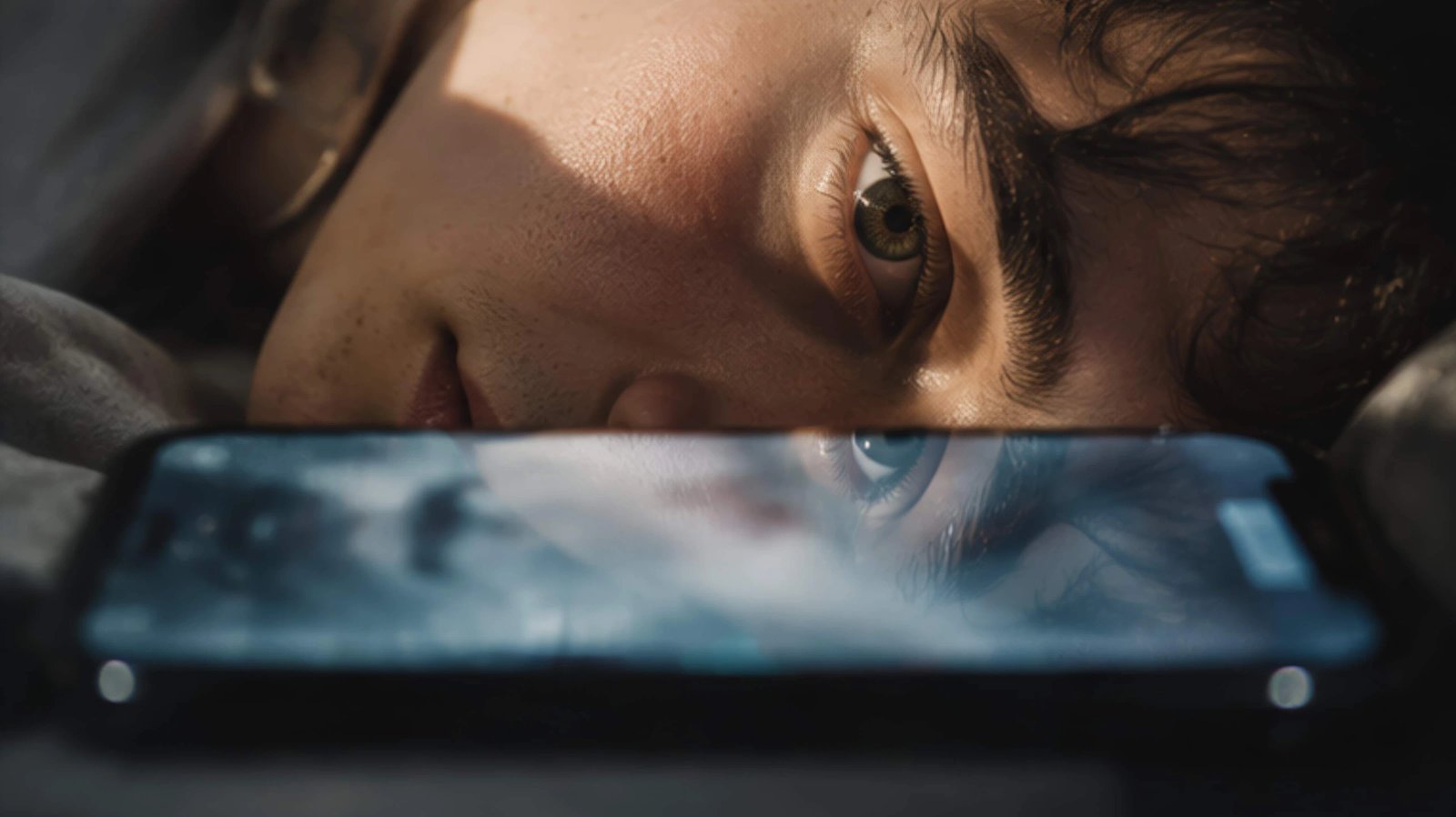
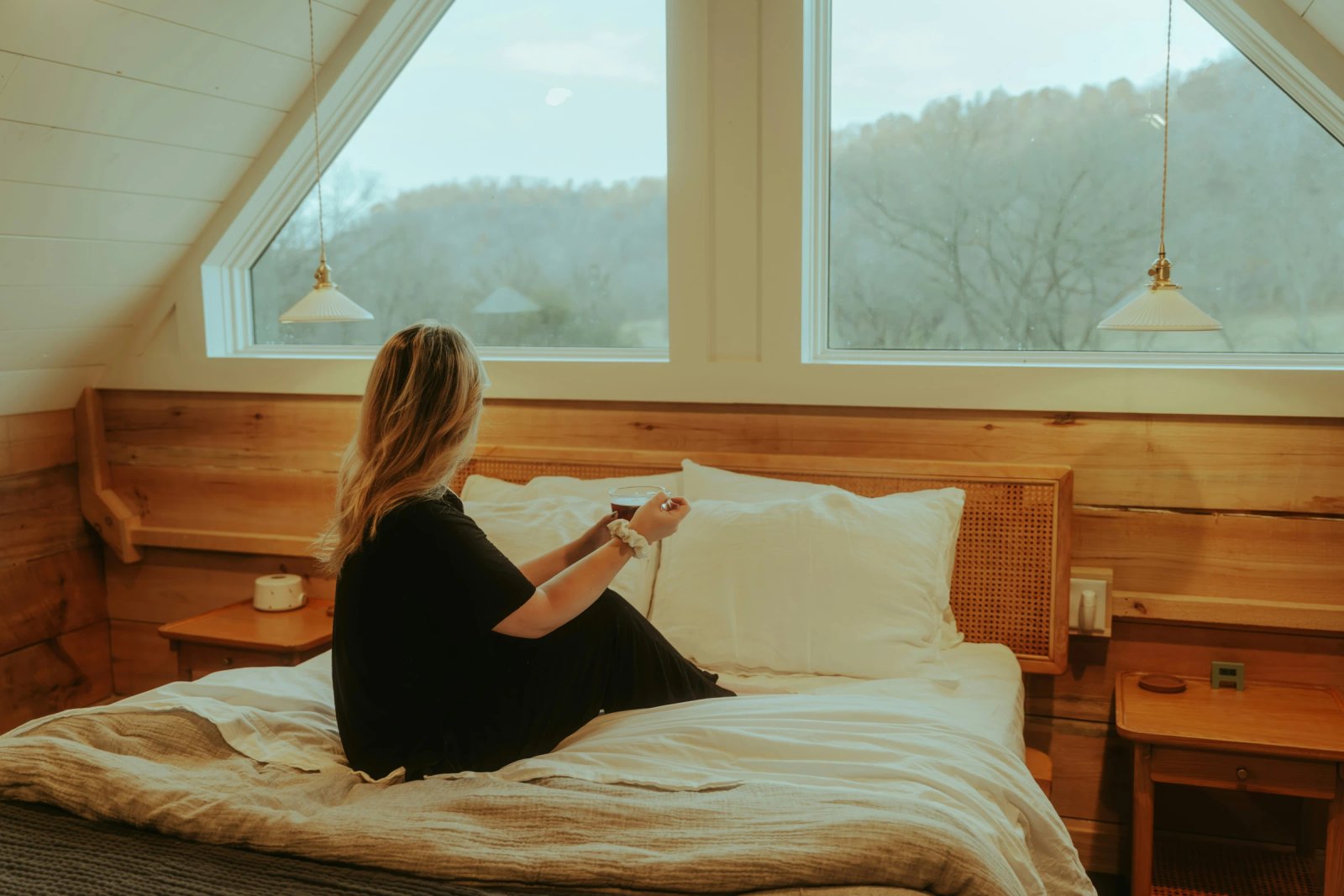
Trend 01
Intentional slowness
Intentional slowness
A new language of self-care raises rest, conscious laziness and sensory wellbeing to the rank of vital need.
Trend axes
- Lazy luxury
- Reset habits
- Nap activism
- Therapeutic laziness
Some figures
30%
Growth in recent months of hashtags such as #TherapeuticLaziness or #LazyWellness.
459
Millions of views recorded on TikTok by the hashtag #BedRotting, which refers to spending the whole day in bed.
6h 40m
Average time people sleep day to day, well below their target of 8 hours a night, according to the IKEA Sleep Report 2025.
68%
Percentage by which wellbeing increased among people who reported sleeping 7–9 hours, compared with those who said they slept less.
Laziness as an act of rebellion
The glorification of productivity and the relentless pursuit of personal perfection have imposed a pace of life in which stopping seems almost a mistake. However, the idea that rest is neither a luxury nor a weakness, but a necessary condition for sustaining health and balance amid collective exhaustion, is gaining ground.
Luxury, traditionally tied to material consumption, is shifting towards wellbeing experiences: comfortable clothing turned into an object of desire, hotels designed for better sleep or gadgets that help slow down the pace. At the same time, reset habits are multiplying, from the short nap to digital detoxes, conceived as small interventions that restore energy and serenity.
There is also a social dimension: sleeping, pausing or slowing down are no longer private gestures but collective acts that challenge the logic of permanent performance. The nap claimed as a right, communities that celebrate slowness and urban spaces that prioritise rest are examples of a cultural shift under way.
What might look like passivity is, in fact, a form of resistance: the affirmation that slowing down, feeling without hurry and giving ourselves time are essential conditions for preserving physical, emotional and mental wellbeing in an era dominated by haste and structural fatigue.
Cases
01 / 06Partying no longer pays off
For years, the night has been the symbolic space of youth: packed clubs, improvised sunrises and an epic of excess that served as proof of generational belonging. Today, that narrative is cracking. New generations do not recognise themselves in the obligation to “go out because you have to” and increasingly choose plans built around the culture of slowness: rest, serenity and the possibility of living time without burning it.
Nightlife is losing strength because the night no longer means freedom, but wear and tear. Ticket prices, long queues and excessive drinking are less attractive than alternatives that offer something more valuable: preserved energy and real wellbeing. Sleeping eight hours, waking up with a clear mind or spending the weekend on activities that connect calmly with nature and with others has become a conscious gesture of rebellion.
This shift connects with a central idea: slowing down is not giving up, but choosing more intentionally how to invest our energy. For many people, choosing a quiet plan over a night of excess is a declaration of independence from the cultural pressure that for decades turned partying into a mandate. Now, value is measured in the quality of interactions, in intimate spaces, in rituals that allow us to slow down and listen to one another.
What used to carry a stigma (staying at home, going to bed early, rejecting noise…) becomes a generational statement: we do not need the party to feel alive. On the contrary, learning to slow down is the real celebration. In this transition, rest is no longer the absence of leisure and is redefined as its new frontier: chosen, conscious and regenerating time.
Zorraquino spotlights
- 01
Sleeping well and having time for calm are becoming new status symbols, where rest comes to represent an aspirational luxury on a par with what the cult of the body once was.
- 02
In a world marked by constant acceleration, rest and conscious laziness are reinterpreted as a gesture of rebellion, claiming the need to stop as a form of resistance.
- 03
Technological innovation increasingly focuses on products and services designed to optimise sleep, from smart mattresses to immersive spaces that guarantee quality rest.
- 04
The intentional laziness movement reshapes the relationship between wellbeing and consumption, shifting the idea that value lies in speed towards a new aspiration: living more slowly.
- 05
Leisure offerings are emerging that value slower rhythms, with activities that prioritise calm and encourage restorative rest over the usual night-time hyperactivity.
- 06
Companies are beginning to transform their narrative: from the message of relentless productivity and making the most of every second, towards an explicit invitation to slow down and adopt more sustainable rhythms.
Zorraquino playlist
- Con poco me lo montoZodiacs · 2009
- VagoTurf · 2001
- Tumbado a la bartolaSiniestro Total · 1987
More on the trend
References
- La “Bomba de Humo” de What the Sleep y Fuego Camina Conmigo que reivindica dormir como un acto transgresor
- ZZZN PUFFER JACKET FOR SLEEP IS DESIGNED TO LET YOU DOZE OFF ANYWHERE AND ANYTIME
- Erst OoHase, jetzt SchlafooHmat
- IKEA te invita a diseñar tu dormitorio mientras duermes
- Morning parties
- What is therapeutic laziness? The latest guilt-free self-care trend
- Las ventajas de pasarte el día entero en la cama (de vez en cuando)
- Ikea Sleep Report (2025) findings
- IKEA Sleep Report 2025
- National Sleep Foundation’s 2025 Sleep in America® Poll
- Sleepmi Z4: Smart anti-snore device, helping you sleep well
- lolitscaits
- Remy AI: Sleep & Health coach
- Rest easy with the Index Sleep Monitor smart sleep band from Garmin
- “Salir de noche ha perdido su poder”: ¿qué ha pasado con las grandes discotecas en España?
- “Los jóvenes salen de fiesta 8 veces menos que sus padres”: el cambio en los hábitos de los centennials
Pages 23–44 of the report