Trend 05
New digital twins
New digital twins
Digital twins to simulate reality realistically.
Trend axes
- IoT
- Simulation
- Machine learning
- Collected data
Some figures
2002
Year in which computer engineer Michael Grieves first coined the term Digital Twin at the University of Michigan.
16,000M
Million dollars is the size the global Digital Twins market is expected to reach in 2023, according to Deloitte.
+38%
Annual growth rate that Digital Twins technology will reach over the coming years, according to Deloitte.
500
Cities in the world that will have their own digital copy in the coming years, according to ABI Research.
Where reality and the virtual world converge
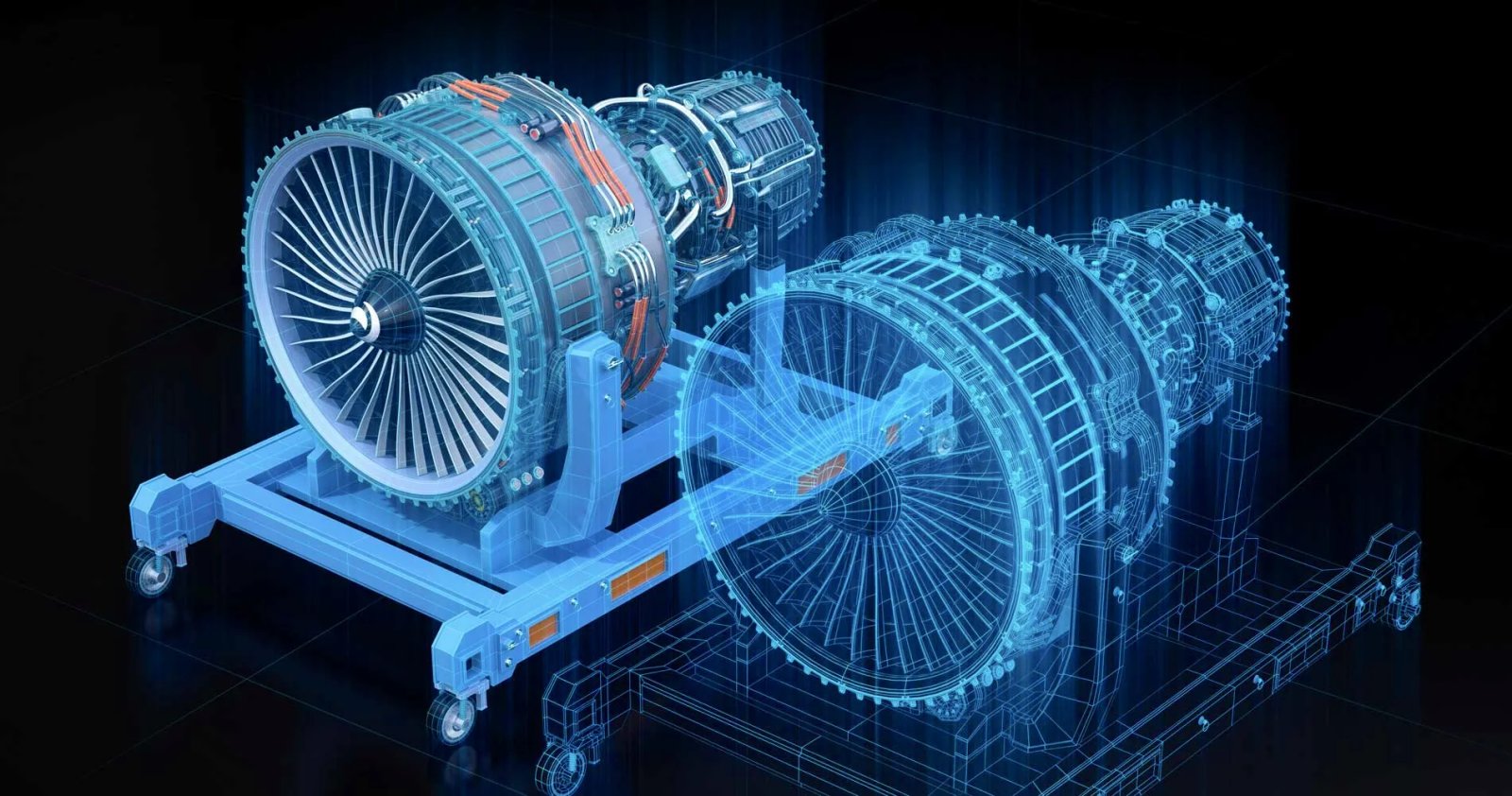
The term digital twin refers to creating a dynamic, up-to-date digital model of a real-world physical asset. That asset can be anything from a toaster to an industrial furnace, a windmill or a building. Digital twins are made possible by Internet of Things (IoT) sensors, which collect data from the physical world and send it to machines to rebuild it. By comparing real components with their digital copies, reality can be simulated realistically. Their goals include identifying problems, improving performance and recognising new behaviours. Spotting problems in advance and solving them faster, or preparing for uncertain future scenarios, is a clear benefit for any industry.
That is why the concept of the digital twin is gaining ground in many sectors, such as automotive, energy, health, real estate and smart cities, among others.
To give one example, a digital twin of a patient lets surgeons practise operations in a simulated environment instead of on a real patient, to check their options. It has even reached Formula 1. In a sport where every second counts, a simulation can help the driver and the car team know which adjustments can improve performance.
According to Gartner’s latest study, by 2023 a third of the medium and large companies that implemented IoT will have developed at least one digital twin linked to a use case driven by COVID-19.
Cases
01 / 03Zorraquino spotlights
- 01
Digital twin technology is complex to implement, but it makes it possible to carry out ambitious projects that would otherwise be unthinkable because of the risks involved.
- 02
These are interesting initiatives for companies to make meaningful decisions based on real-time data. Over time, they will become standard in more affordable areas.
- 03
This technology can help staff feel comfortable with IoT implementation and automation, because it offers the chance to run simulations before switching them on.
Zorraquino playlist
- I’ll Be Your MirrorThe Velvet Underground · 1994
- Virtual InsanityJamiroquai · 1996
- Reflejo de tiNacha Pop · 1982
More on the trend
References
- No bones about it: Ford experiments with four-legged robots, to scout factories, saving time, money.
- System trains driverless cars in simulation before they hit the road.
- 7 Amazing Examples of Digital Twin Technology In Practice
- Bundesweites Ki-Projekt “Knowledge4Retail” started die realisierung
- Gartner Survey Reveals Digital Twins Are Entering Mainstream Use
- How the Port of Rotterdam is using IBM digital twin technology to transform itself from the biggest to the smartest.
- How a small German town is using an advanced digital twin
- Deloitte Insights: Expecting digital twins
- Real Estate: Taking A Holistic Approach To The Digital Twin
- Digital twins, the keys to the Fourth Industrial Revolution
Pages 71–85 of the report
