Trend 03
Dark side
Dark side
The expansion of ghost shops.
Trend axes
- Dark stores
- Delivery only
- Virtual spaces
- Ghost kitchens
Some figures
1 trillion
Dollars the global ghost kitchen market could reach by 2030, according to analysts at Euromonitor, the leading provider of strategic consumer market research.
-1,200
Shops Inditex announced it would close worldwide by 2022, focusing its strategy on centralising its largest flagship stores.
+7,500
Dark kitchens have emerged in China, according to Euromonitor, far above the 1,500 in the United States or the 750 in the United Kingdom.
100
New dark stores Spain's Glovo planned to open in 2021 in Europe, the Middle East and Africa, its CEO Oscar Pierre told the Financial Times.
From retail to logistics
Among the blows dealt by the pandemic, the upheaval in retail is obvious. Big chains are betting on new logistics models as online sales proliferate. In this sense, converting retail space into warehouses specialised in deliveries is already a reality.
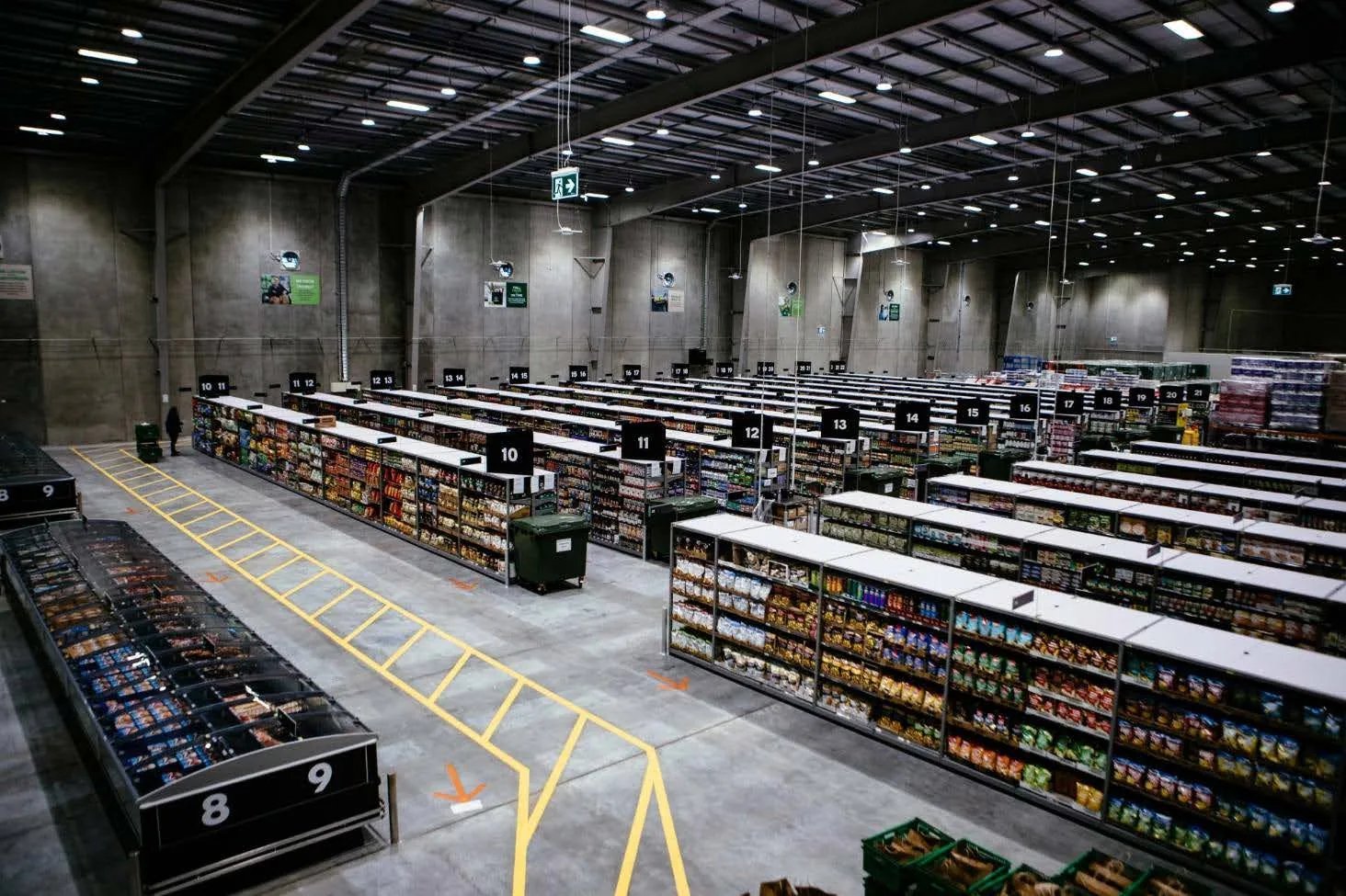
Led by the food industry and large retailers, spaces devoted exclusively to online shopping are growing. The term “dark store” is becoming a worldwide phenomenon. These dark or ghost shops are traditional retail outlets that have become local logistics hubs.
This distribution model originated in British and American grocery chains looking to optimise the efficiency of home food delivery. Its arrival is not a result of the pandemic, but its current international expansion is.
The rapid adoption of e-commerce in 2021 is leading physical retailers to reassess their future size, location and role. Everything points to multidimensionality, with shops operating simultaneously as sales spaces, warehouses, pick-up points, customer interaction areas and strategic brand vehicles. This is only just beginning…
Expert view
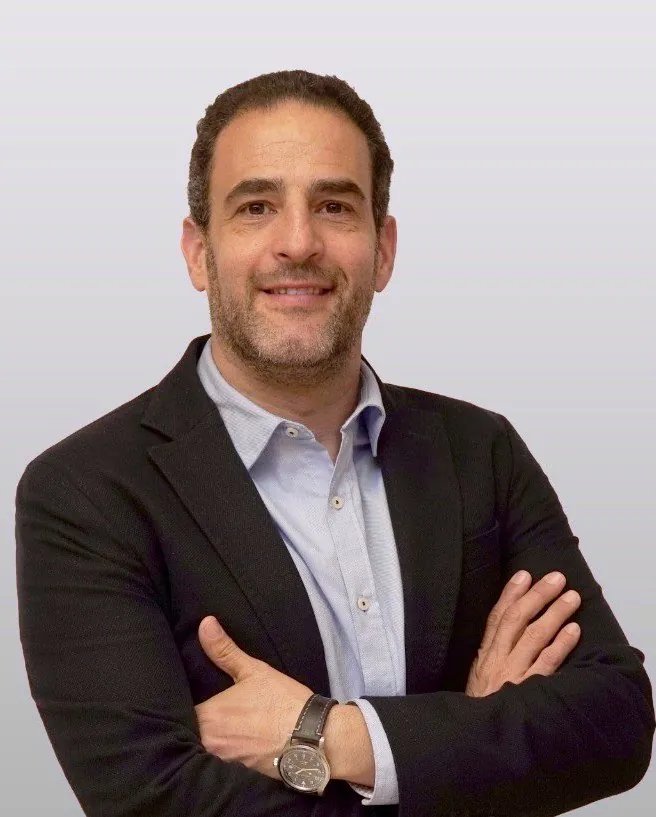
Alberto Levy
Global Chief Marketing Officer at Grupo Bimbo
“In the consumer goods sector we work hand in hand with various dark stores and dark kitchens, which actually follow the same business model. It is a system that existed before the pandemic, but it has accelerated in recent months and we are already seeing it become an established habit.
We believe it is a model that will keep growing, especially among younger targets, who adopt faster and do not need to go to a physical shop to buy. The key for us as a food company is to keep an eye on the next steps: look for differentiated and exclusive products, understand our consumers better every day and improve existing technology systems to provide more suitable and personalised services.”
Cases
01 / 05Zorraquino spotlights
- 01
Dark stores may be the future of retail, providing easier access to essentials and helping to improve the omnichannel customer experience.
- 02
This new dark side will force companies to rethink their whole store strategy and automate wherever possible to speed up collection and delivery to customers.
- 03
Despite their expansion, closing a shop to the public means having another nearby so as not to lose in-person customers. Hybrid models may therefore have the upper hand.
Zorraquino playlist
- Town Called MaliceThe Jam · 1982
- CalentitaThe Limiñanas, Nuria · 2020
- Ringui Dingui (con SFDK)Kase.O, SFDK · 2021
More on the trend
References
- Dark kitchen: qué son y cuáles tienes a mano según lo que desees
- Las cocinas fantasma han llegado para quedarse: marcas de alimentación se suman al negocio
- La industria alimentaria se apunta a las cocinas fantasma: Pescanova y Campofrío lanzan sus propios restaurantes virtuales de 'delivery'
- Inditex prepara una tienda en Donostia solo para recoger compras online
- Dark stores, las tiendas fantasmas que se expanden por España
- La logística que viene: de la reconversión de tiendas en almacenes a la especialización de los envíos
- El Corte Inglés convertirá su tienda de Éibar en una 'dark store' y en un centro de digitalización
- Qué son las 'dark stores' y por qué se han multiplicado en nuestras ciudades
- De tienda a ‘dark store’
- El ’retail’ ve la luz en la oscuridad: explota el fenómeno de las ‘dark stores’ y ‘dark kitchens'
- Gorillas, gigante de los 'supermercados fantasma', ya se extiende por España y hará frente a Glovo y Deliveroo
- Las 'dark store' se expanden rápidamente: la española Glovo planea lanzar más de 100 almacenes virtuales en todo el mundo
- La industria alimentaria se apunta a las cocinas fantasma: Pescanova y Campofrío lanzan sus propios restaurantes virtuales de 'delivery'
- Ghost kitchens could be a $1T global market by 2030, says Euromonitor
- El Corte Inglés se transforma para evitar la decadencia
- La logística que viene: de la reconversión de tiendas en almacenes a la especialización de los envíos
- El Corte Inglés convertirá su tienda de Éibar en una 'dark store' y en un centro de digitalización
- Dark Stores Are The Future Of Post-Pandemic Retail
- El auge de las ‘dark store’
- The Future of the Store
- A pandemic surge in food delivery has made ghost kitchens and virtual eateries one of the only growth areas in the restaurant industry
- Celebrity Ghost Kitchens May Be This Year’s Hottest Dining Trend
- Here are all the celebrities running ghost kitchens in Chicago
- Hotbox by Whiz Khalifa
- Robomart
- Pizzaoki
- Dark stores: la pandemia acelera el boom del online
- 'Super Glovo' desembarca en Madrid y llegará a más ciudades
- La explosión de las 'dark stores' apunta a una concentración inminente: "De 10 empresas en Europa probablemente queden 2 ó 3 en unos meses", anticipa el responsable en España de Dija
- Cerco a las cocinas fantasma en el centro de Madrid: no podrán superar los 350 metros
- The Best Don’t Cookbook
- Madrid limita el tamaño de las cocinas fantasma y les obliga a cargar el reparto en el interior
- Dentro de un supermercado fantasma: la compra contrarreloj
Pages 62–81 of the report