Trend 08
Affective computing
Affective computing
Increasingly human technology builds relationships of trust.
At a glance
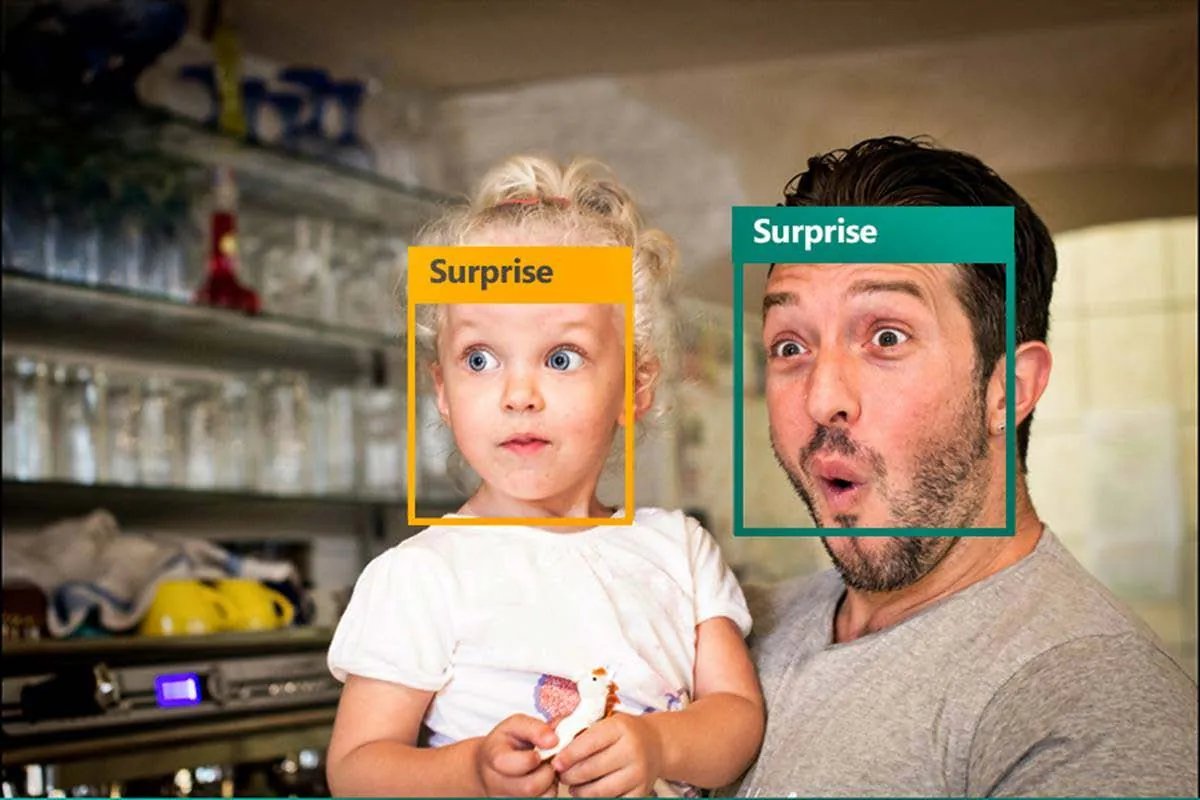
Technology is becoming more and more empathetic. It is learning to follow and interpret our moods and emotions, and to adapt its interactive behaviour dynamically. Brands can use this data to build a relationship of greater trust with their customers.
The study and development of technologies and devices that recognise, interpret, process or stimulate our emotions is already a reality with a long way to go. There are now many companies working in the interdisciplinary field of affective computing which, drawing on science and psychology, look for common-sense reasoning that involves knowing people’s emotional state.
Cases
01 / 05Zorraquino spotlights
- 01
Emotion detection will become essential to the way we interact and train with smart devices in the future.
- 02
Mainstream consumer devices will add emotion detection features in a race to reach a bigger audience.
- 03
Small providers with wide-reaching apps will join the tech giants in exploring ways of using affective computing.
More on the trend
References
- Our Progress on Leading the Fight Against Online Bullying
- Ikea Is Using Brain Activity Data to Determine If You’re Worthy of Its Artwork
- Speech-based markers for post-traumatic stress disorder in US veterans
- Clear Channel transforms Stockholm Metro into emotion-triggered art exhibition
- Anura™ transforms your smartphone into your personal health AI
- Unlock the Power of AI Today
- Algorithms can now detect your heart rate and stress levels over video chat
- Facebook Takes on Epidemics With New Disease Prevention Maps
- Market Trends: How AI and Affective Computing Deliver More Personalized Interactions With Devices
- 3 tendencias que marcarán el futuro en el CES Las Vegas 2020
Pages 187–207 of the report