
Trend 07
Ancestral remix
Ancestral remix
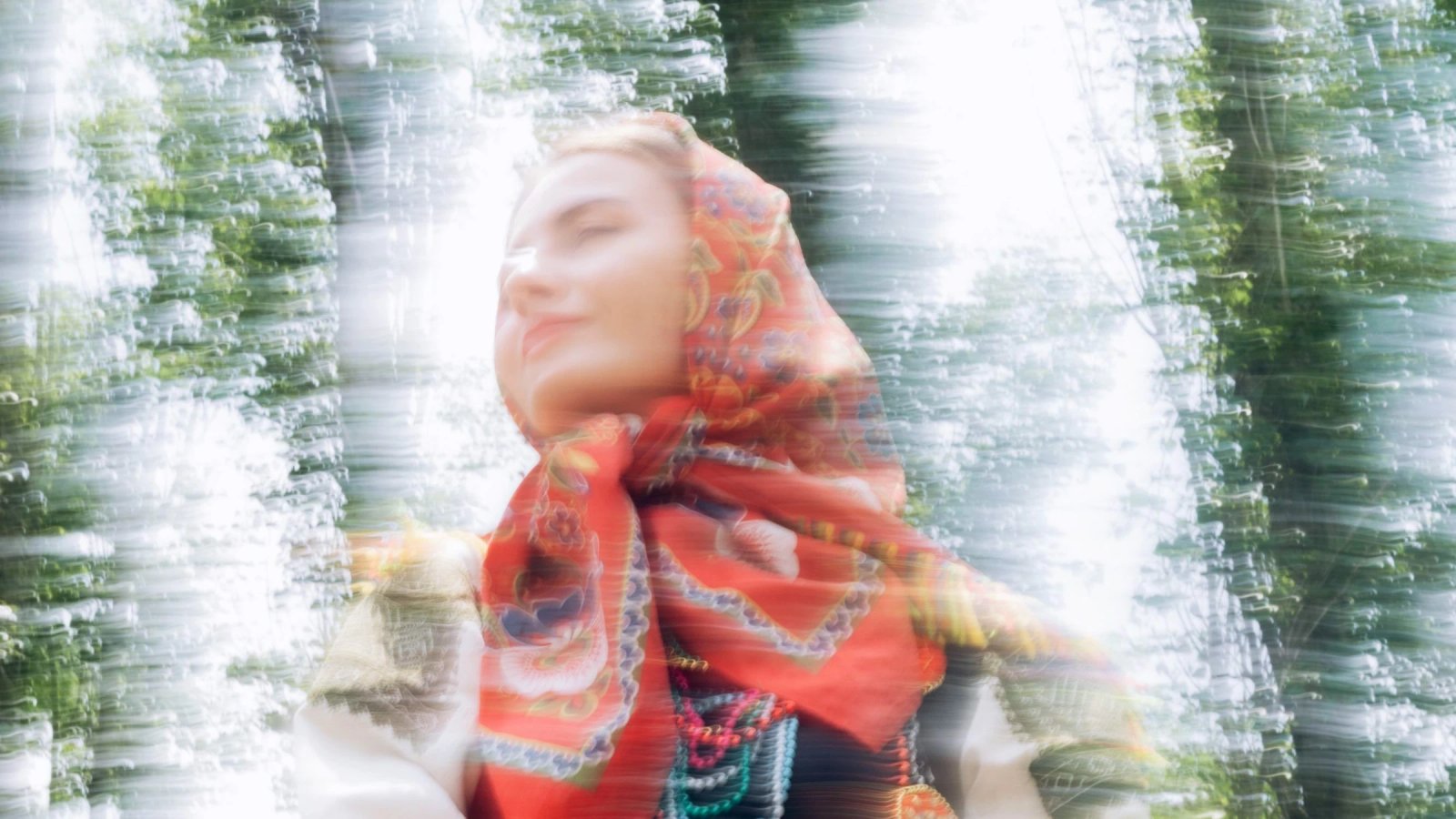
Cultural traditions, symbols and techniques are being reinterpreted through digital, hybrid and contemporary languages.
Trend axes
- Neo rituals
- Future craft
- Roots revival
- Modern heritage
Some figures
62%
Of listeners want to discover music that reinterprets local cultures rather than “pure” or traditional versions, according to IFPI’s “Global Music Report 2025”.
65%
Of young people consume digital content that reinterprets traditions in contemporary formats, according to Google’s Culture Rising study.
+20B
Views racked up on TikTok by #heritage, #culturalfashion and #tradition, with a strong presence of hybrid content: tradition, editing and digital.
400%
Increase in Vinted searches for flamenco dresses for Seville’s April Fair during February, March and April, reflecting a reinterpretation of flamenco style.
Open-source tradition
Cultural heritage is no longer seen as a static relic and has established itself as an active resource within contemporary language. This movement has not come out of nowhere: for some time, certain currents had been exploring the incorporation of traditional codes into popular culture from occasional and provocative standpoints (Neocañí, Consumer Trends 2022). The difference now, however, lies not in the use of these elements but in their scale, frequency and legitimacy.
Craft techniques, identity symbols and local aesthetics are re-emerging today, transformed into hybrid digital pieces or visual narratives that circulate in global settings. In the face of standardisation and the fatigue caused by increasingly uniform content, interest is growing in whatever brings uniqueness and rootedness.
In this process, cultural figures have acted as catalysts, bringing their own imagery into contemporary codes that move from the folkloric to the everyday. Their influence has helped legitimise interest in heritages that, for decades, were relegated to ceremonial or stereotyped uses.
Here, brands have managed to amplify this shift through collaborations with local communities and origin stories that seek to give meaning to their offerings. However, reinterpretation can slide into oversimplification or loss of context when aesthetics take precedence over content.
Consumers, for their part, do not demand historical accuracy but value the ability to adapt to today’s languages. In that balance, tradition stops being a starting point and becomes an open system, in constant revision.
Cases
01 / 08Feed & folk
The growing popularity of the traditional, especially online, is not only changing its form but also calling its meaning into question. The key is no longer which elements are revived but how they are activated and from what position they are brought in. Not every reinterpretation implies cultural continuity; in many cases, it introduces frictions that force us to revisit the line between spreading and trivialising.
Popular celebrations are a clear example. Turned into recurring content, they circulate on platforms through simplified codes: replicable choreographies, recognisable aesthetics, rituals condensed into reels and more. This exposure coexists with more superficial practices, in which participation is measured in terms of visibility and instant response. The distance between experience and representation shrinks, but so does the complexity of what is being shown.
In this context, culture operates as a system in constant reconfiguration that poses significant risks. When any symbol can be reinterpreted, its meaning is no longer guaranteed, and questions arise about legitimacy and limits.
Collaborating, acknowledging origins and acting with cultural sensitivity are no longer an added value but a basic requirement for brands. Building their own narratives is no longer enough; their credibility will depend on how they connect with those contexts.
Tradition does not disappear, but it does not stay intact either. It is redefined with every use, with every appropriation. Rather than a closed inheritance, it becomes a space of ongoing negotiation, in which past and present stop being opposing categories and overlap in unstable ways.
Zorraquino spotlights
- 01
Elements tied to local contexts or celebrations circulate in global and everyday spaces. Exposure of symbols, rituals and aesthetics increases their presence but does not guarantee their continuity.
- 02
The more symbols circulate, the greater their ability to connect, but also the greater the risk of hollowing them out. Scale and erosion advance in parallel.
- 03
Wider access to identities does not necessarily mean cultural understanding. Adopting other people’s codes democratises their use, while also introducing superficial forms of belonging.
- 04
Brands compete for cultural legitimacy. Their role is evolving towards that of mediators within complex symbolic ecosystems. Activating stories is not enough; credibility will depend on the quality of their relationships within those contexts.
- 05
Cultural reinterpretation does not always weaken tradition, but it does redistribute control over it. The result is not so much a loss of meaning as an ongoing negotiation over who can grant it and from where.
- 06
The difference no longer lies in using the traditional but in how that use is legitimised. What matters now is where it is done from, how it relates to its context and what consequences it has for its meaning.
Zorraquino playlist
- EGUZKILOREAKZETAK, Neomak · 2023
- VelenoBaiuca, Rodrigo Cuevas · 2021
- NI EN LOS CAFÉS PARISINOSYerai Cortés · 2026
More on the trend
References
- Global Music Report 2025
- Culture Rising - Think with Google
- Moda flamenca circular: Vinted registra un aumento del 400% en búsquedas de trajes de flamenca por la Feria de Abril
- Cuando lo típico es lo más moderno: el Etnorrenacimiento conquista la moda y la música
- La nostalgia como refugio: por qué volver a lo de antes se ha convertido en tendencia en 2026
- Los influencers también hacen su abril durante la Feria de Sevilla
- Zetak da el golpe en San Mamés
- Bad Bunny deslumbra en la Super Bowl con una odisea puertorriqueña y la defensa de América más allá de Estados Unidos
- Amaia ha versionado el Volando Voy de Camarón para presentar la colección homenaje que ha hecho Pull&Bear
- FORNOS Y APOLO
- El palo sin prisa
- @elshowdebriten
- El aceite de oliva español se anuncia en Estados Unidos con spanglish, flamenco y sobremesa
- ‘Feria 3000’: El videojuego que reinventa la Feria de Abril de Sevilla en un futuro ciberpunk
- Simone Rocha pone su mitología irlandesa al servicio de Adidas
- Transforming an ancient Peruvian tradition into sustainable furniture
- Puma une meditación y running de la mano de monjes budistas vestidos con sus nuevas zapatillas
- Born From Culture
Pages 358–385 of the report