Trend 10
Fleeting megalomania
Fleeting megalomania
The pursuit of ever bigger, more exclusive and extraordinary experiences is driving a new era of consumption built on the fleeting and excessive.
Trend axes
- Mega events
- Spectacle culture
- Experience inflation
- Destination overload
Some figures
70%
Of European consumers say ticking off “bucket list” experiences is a priority for them, according to a Mastercard study.
+600,000
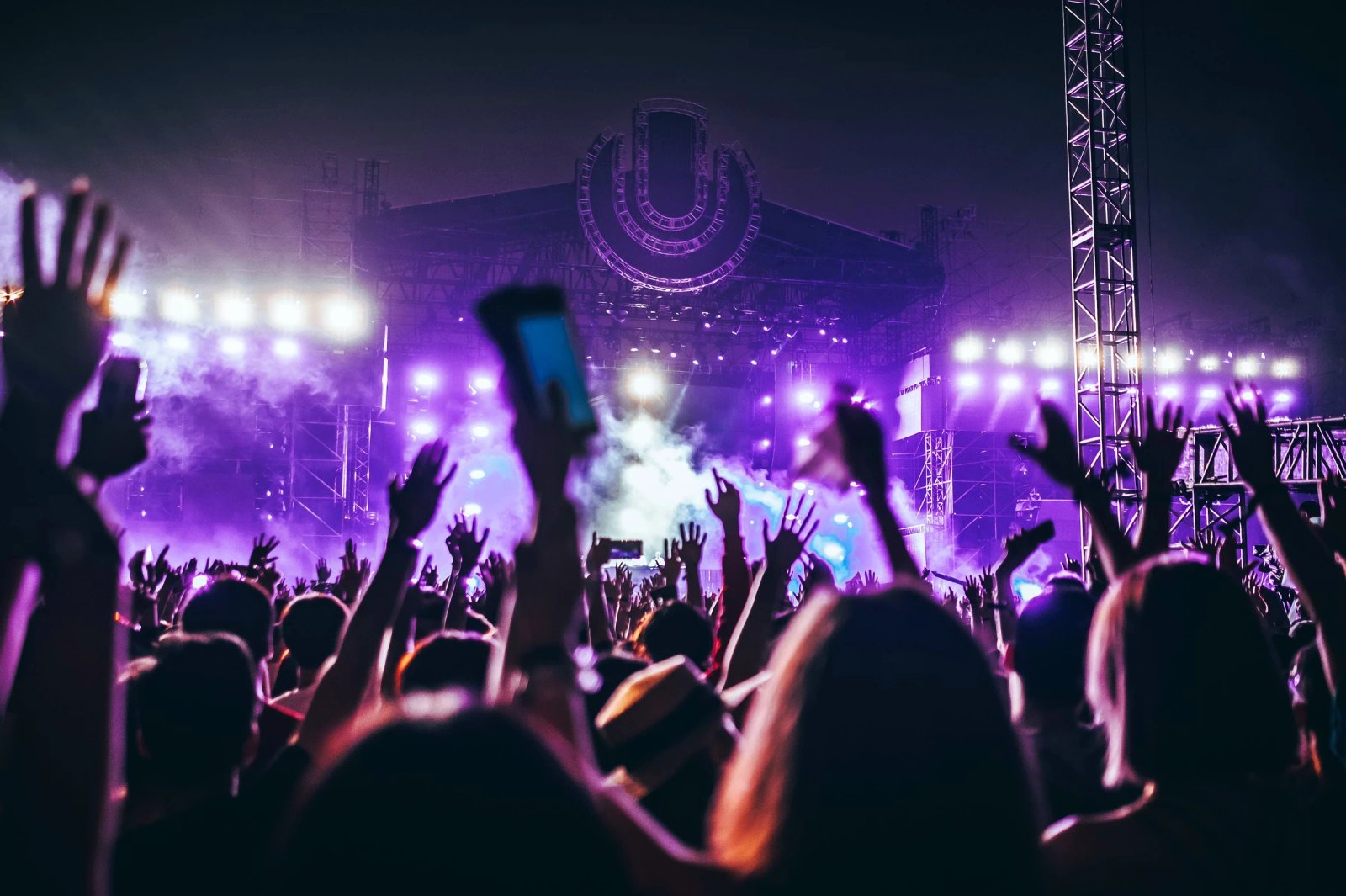
People travelled to Puerto Rico for Bad Bunny’s 30 concerts. It is one of the 10 most pro table tours in history, with an impact of more than $700 million on the island’s economy.
274
Climbers reached the summit of Mount Everest in a single day via Nepal’s south route, beating the previous record set in 2019.
+800
Kilometers travelled on average by 40% of fans to see their artists live in the past year, according to a Live Nation Media & Sponsorship report.
The escalation of the extraordinary
For years, experiential consumption established itself as an alternative to material goods. Travelling, going to a concert or discovering a new destination were a way of investing in memories rather than possessions. However, this has turned into a new race for the exceptional, in which experience alone is no longer enough: it has to be bigger, more exclusive, more immersive and harder to top.
In an environment where attention is limited and novelty is consumed quickly, spectacle has become a competitive value. Entertainment, tourism, architecture and culture keep scaling up their offerings to preserve their ability to surprise. Experience is no longer valued only for what it makes us feel, but also for its magnitude, its uniqueness or its ability to become a one-off event.
This is the logic of experience inflation: when the extraordinary becomes normal, the next step is to make it even more extraordinary.
This trend taps into the deeply human drive to explore limits, push what is possible and pursue what has never been achieved before. A quest that, tied to consumption, raises new questions. When does living an experience stop being enough, so that it has to be the biggest, the most exclusive or the most spectacular? At what point is the search for meaning replaced by the search for a record?
Constant spectacle also has consequences. The most sought-after destinations face overcrowding, the investment needed to surprise grows exponentially, and the exceptional loses some of its power to move us once it becomes the standard.
Cases
01 / 07Excess, the next destination
The drift towards fleeting megalomania redefines what we consider a valuable experience, but also the increasingly blurred limits of responsible consumption. The exceptional, now an aspirational norm, legitimises levels of spending that just a few years ago would have been hard to justify. Paying disproportionate sums for certain experiences is no longer seen as excess but becomes part of a narrative of deservedness, urgency and once-in-a-lifetime opportunity.
This normalisation has clear economic implications. On the one hand, it encourages over-indebtedness or a reallocation of resources towards items that crowd out more stable spending. On the other, it consolidates a segmented market in which access to these experiences is restricted to those who can afford the extra cost, widening social gaps under the guise of individual choice.
At the local level, the impact is even more tangible. The concentration of demand in “must-see” hotspots intensifies pressure on already strained destinations. Places are being reshaped to serve an economy of the extraordinary that prioritises a constant turnover of visitors over everyday liveability. As a result, the urban and cultural fabric is being transformed through rising prices, the displacement of residents and a loss of identity in favour of quick, spectacular consumption.
As the exceptional becomes the standard, the system enters a spiral of constant escalation that is hard to sustain. The question is no longer just how much we are willing to pay to experience something unique, but what we are sacrificing, economically, socially and culturally, to sustain that illusion of uniqueness.
Zorraquino spotlights
- 01
The exceptional is no longer an attribute but a permanent expectation, forcing brands to compete in an escalation where every experience has to top the last.
- 02
The value of an experience shifts from what is lived to how extraordinary it is to have lived it, so that uniqueness, difficulty of access and one-off character carry more weight.
- 03
Architecture, entertainment and retail are evolving into attraction infrastructures, designed to become destinations in their own right and not just places.
- 04
Turning consumption into spectacle amplifies immediate impact but gradually lowers the threshold of wonder, forcing brands to rethink how to stand out without relying solely on scale.
- 05
The constant chase for records is redefining measures of success, shifting the focus from the quality or meaning of the experience to quantifiable metrics such as scale, attendance, height, speed or visibility.
- 06
The unlimited growth of experiences creates a growing tension between ambition and sustainability, making it essential for brands to find new ways of creating value.
Zorraquino playlist
- El Apocalipsis FinalUN PINGÜINO EN MI ASCENSOR · 2026
- El Fin del MundoLa La Love You · 2020
- BailandoAstrud · 1999
More on the trend
References
- @jordiferrandez
- Europe’s Experience Economy is One for the Bucket List
- Live Nation Entertainment Full Year And Fourth Quarter 2025 Results
- El turismo musical se redefine: el 40% de los fans viaja más de 800 kilómetros para asistir a conciertos
- La residencia de Bad Bunny inyecta 700 millones en Puerto Rico y entra en el top 10 de las giras más taquilleras de la historia
- The Room monta un “after” en un globo aerostático
- Shakira hace de Madrid Las Vegas: así será el Estadio Shakira, una ciudad efímera diseñada por BIG que reinventa el concepto de concierto
- (Record) Breaking News: Guinness World Records Announces New UK Attraction
- Record 274 climbers scale Everest via Nepal in one day
- ¿¡PERO SHAKIRA!? Así será su propio estadio en Madrid
- The Guggenheim Abu Dhabi is nearing completion
- El edificio más alto del mundo va camino de completarse: es tan loco que no parece real
- King Salman International Airport Development Company signs four firms to build mega airport under ‘Vision 2030’
- Spotify retrata en un corto animado lo que los fans están dispuestos a hacer por un concierto
Pages 430–453 of the report