Trend 05
Infinite collecting
Infinite collecting
Brands are designing product ecosystems that never close, fuelling dynamics of collecting, trading, resale and belonging.
Trend axes
- Scarcity marketing
- Fandom commerce
- Perpetual discovery
- Completion psychology
Some figures
980
The number of stickers in Panini’s 2026 World Cup album, the biggest to date, whose collecting fever has caused stock shortages internationally.
320,300M$
The value the global collectibles market reached in 2025, forecast to grow to 535.5 billion dollars by 2033, according to Grand View Research’s Collectibles Market report.
+339%
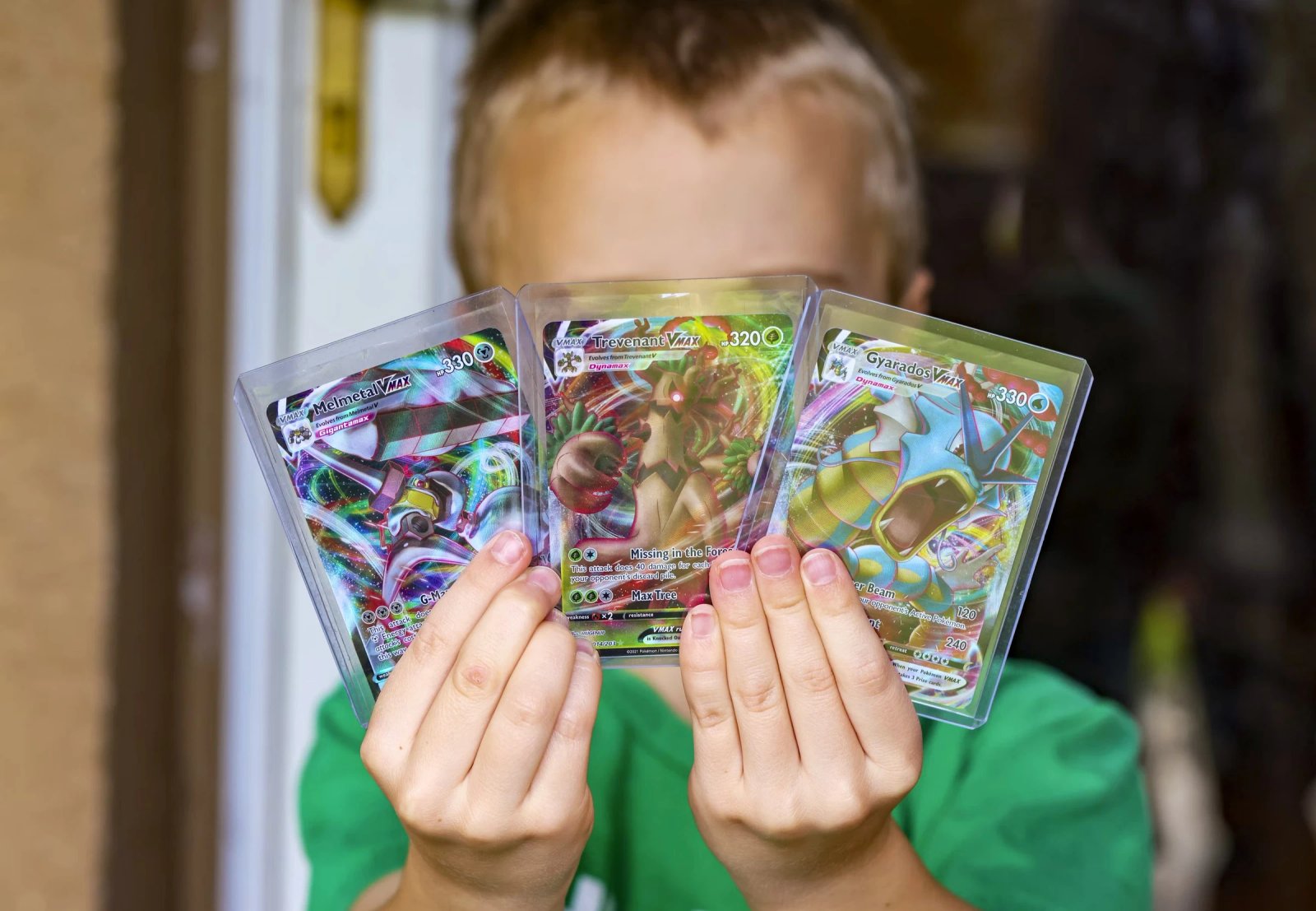
Year-on-year growth in sales of trading cards, such as Pokémon, on resale platforms, reaching up to $5 million, according to data from StockX and the New York Post.
+58%
Share of trainers that sell above retail price on the resale market at the peak of the hype, according to research by Resell Calendar.
Consuming for consumption’s sake
Traditionally, consumption followed a fairly orderly logic: discover, evaluate, buy and, with luck, repeat. That pattern has been losing relevance, and in its place a far more dynamic model is emerging, one in which consumption is structured as an open system, a loop that never closes.
Brands have left closed products behind to build ecosystems in constant expansion. Fragmented launches, variable editions, successive versions, revivals of past references and so on. Each piece works as an intermediate step within a potentially infinite collection, with scarcity as a strategy: small runs, short time windows and intermittent availability turn every launch into a moment of maximum tension.
At the same time, resale is no longer a by-product and becomes part of the system’s logic. Value lies not so much in use as in the ability to circulate. As a result, trading, reselling or keeping are all part of the same dynamic, in which consumers act as managers of cultural assets, closer to the figure of the trader than to that of the traditional buyer.
The outcome is a new cyclical funnel: discovery drives purchase, purchase leads to sharing, and sharing reignites demand within the community. Consumption becomes a continuous flow in which each interaction triggers the next.
Cases
01 / 10Unfinished desire
In this scenario, the product becomes part of a system designed to never be completed.
Pleasure no longer lies in having but in pursuing: looking for the next version, finding the missing piece or improving on what you already own. In this constant movement, consumers become players and brands stop offering objects and build dynamics instead. They move from selling closed products to offering open-ended journeys, in which there is always a next step.
Here, identity changes too. Collecting becomes a social language, a way of belonging and standing out that hides a paradox: the easier it is to join in, the harder it is to step away.
The system strives to stay active, and the feeling of closure is replaced by a constant illusion of progress. Something is always missing. There is always a new edition, a variant, an upgrade.
Far from expanding consumer freedom, this excess ends up putting it under strain. Abundance breeds paralysis, and the promise of choice turns into a repetitive experience; everything changes without really changing. Many formats, multiple versions, but the same underlying feeling.
In an environment where everything invites you to keep going, the real disruption lies in regaining the ability to stop. Because when nothing is ever completed, nothing is ever fully satisfying either.
Zorraquino spotlights
- 01
Consumption has evolved from buying products to constant participation in open systems with no clear or defined end.
- 02
Brands no longer compete only on sales; they focus on designing continuous engagement systems. The challenge will be to balance them with propositions of meaning and value.
- 03
An abundance of options, stimuli and formats does not necessarily expand consumer freedom; it can lead to paralysis, saturation and loss of meaning.
- 04
Both experience and collecting follow the same inflationary logic: the more they multiply, the harder it is for them to make an impact.
- 05
Consumers move in constant tension between involvement and exhaustion, caught in dynamics designed to keep them engaged.
- 06
Desire is no longer satisfied by immediate possession; it stays alive through the permanent search for the next thing, shifting pleasure towards the process.
Zorraquino playlist
- Colecciono MoscasGolpes Bajos · 1984
- One Piece at a TimeJohnny Cash, Tennessee Three · 1976
- Material GirlMadonna · 1984
More on the trend
References
- Panini, sobre la escasez de cromos del Mundial: “Se compran cajas enteras, hay falta de producto y estamos produciendo las 24 horas”
- Collectibles Market (2026 - 2033)
- Labubu toys, Pokémon cards dominate year on StockX
- Sneaker Reselling has Changed in 2025, But it’s Not Dead
- La piruleta IKEA x Chupa Chups
- El furor por los cromos del Mundial desborda a Panini, vacía los quioscos y llena plazas
- La locura de Pokémon: la empresa de certificación PSA colapsa con 10 millones de cartas en espera
- DIY en autos, economía del fandom y reventa de lujo: tres hábitos clave de consumo en 2026
- Adiós al ‘funnel’ de marketing: el nuevo ‘journey’ del consumidor
- VEVO revela cómo el fandom impulsa la longevidad de una carrera y su impacto económico
- Cansados de elegir: la melancolía del consumo infinito
- @barcelona.lives
- Leomichis: los nuevos muñecos coleccionables de ING que nacen para ser virales en TikTok
- Oh YAAS Signs Five-Year Exclusive Trading Card and Experiential Collectibles Agreement With Bare Knuckle Fighting Championship
- La camiseta de Bad Bunny a los trabajadores de Zara desata la locura en Vinted: precios de hasta 25.000 euros
- La FIFA venderá trozos de césped de la final del Mundial por 450 dólares
- Toblerone crea una subasta benéfica mundial con versiones de Swarovski de su tableta triangular
- LUXURY WATCH MYSTERY BOXES
- RAZER TURNED ITS SNAKE LOGO INTO A $90 KEYCAP AND IT SOLD OUT IN 8 MINUTES
Pages 302–330 of the report