Trend 04
Buttonless
Buttonless
Interaction beyond the cursor and the finger.
Beyond the cursor and the finger
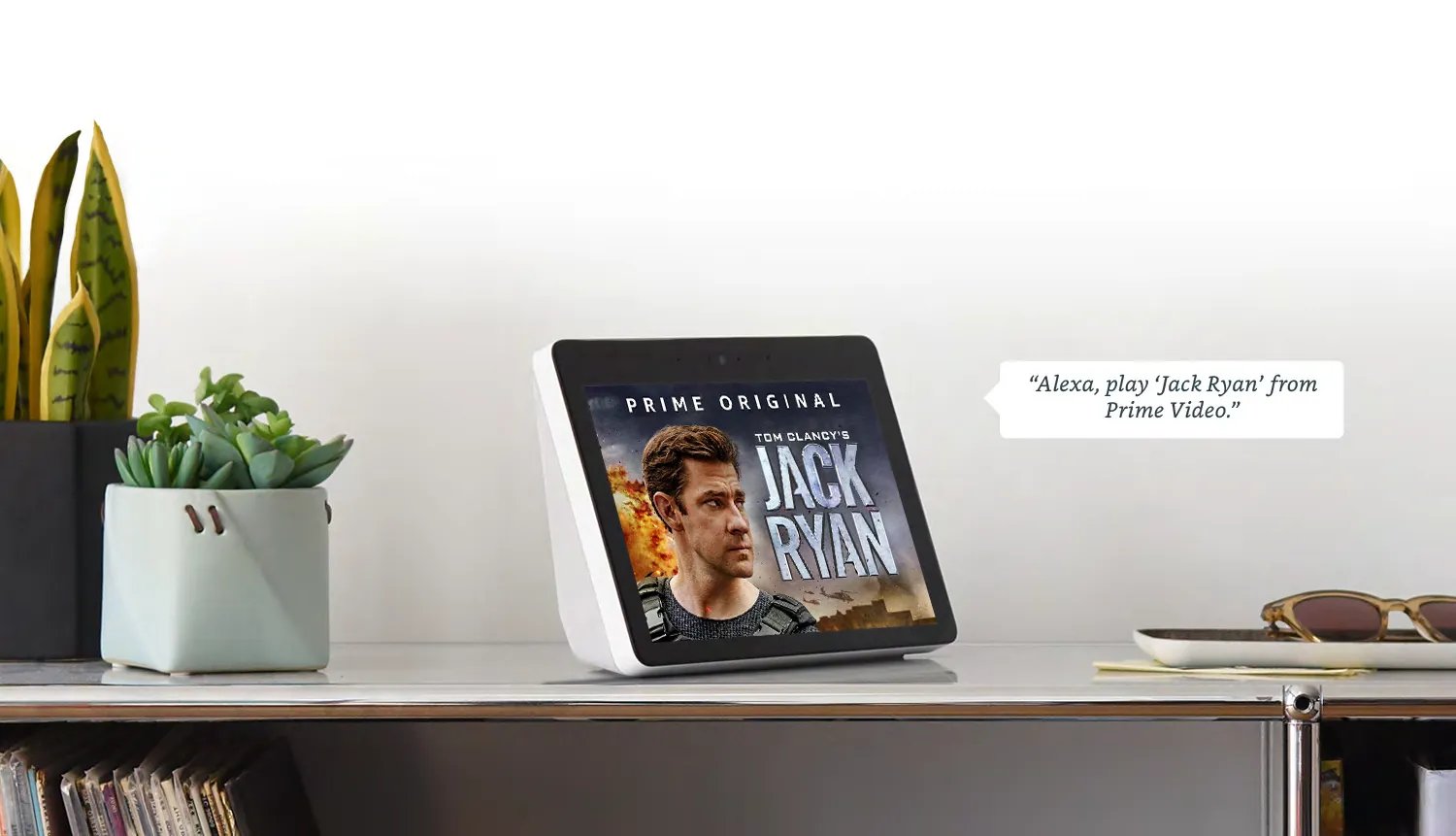
“Voice First” strategies have started to make a lot of noise this year, championing a more human and natural kind of interaction between people and machines, now made possible by technology.
Above all, a kind of interaction that opens a new era in which we humans will relate to machines without needing the mouse, the keyboard or the finger, but rather through voice, image, gestures or movement. Interacting with machines by modulating our voice or moving our hands or body is apparently easier and more comfortable for users; it is more intuitive and reduces the mediation between people and machines.
But it also presents new challenges for designers, who have to learn to create experiences using a language, a technology and a way of working that did not exist until now, and that can be very beneficial for both consumers and brands.
Cases
01 / 05Zorraquino spotlights
- 01
Users have driven voice as a new channel; brands must adapt their strategies to this new need.
- 02
Establishing an information hierarchy. Users do not want to feel overloaded, but at the same time they need enough information to complete their task.
- 03
Always designing error strategies. Designing for scenarios with poor sound, confusion, misunderstandings…
More on the trend
References
- Taking Command of Voice: What the New Channel Means for Marketers
- OK, Google, Will Voice Be The Future of Search?
- #741163e17d04 Designing a VUI—Voice User Interfaz
- New Amazon Echo Show Review 2018
- Clay VR Gesture Recognition On iPhone
- 5 ways voice assistance is shaping consumer behavior
- Entrevista a Adam Cheyer, cofundador de Siri
- Google Soli
- Project Soli, los mini radares de Google que reconocen movimientos, consigue la aprobación de los EEUU para su puesta en marcha
- Project Soli, el invento de Google que puede acabar con las pantallas táctiles
- macOS Sierra: Auto Unlock with Apple Watch hands-on
- How many US people are using digital voice assistants, by generation
Pages 90–128 of the report
