
Trend 07
Authoritarian resurgence
Authoritarian resurgence
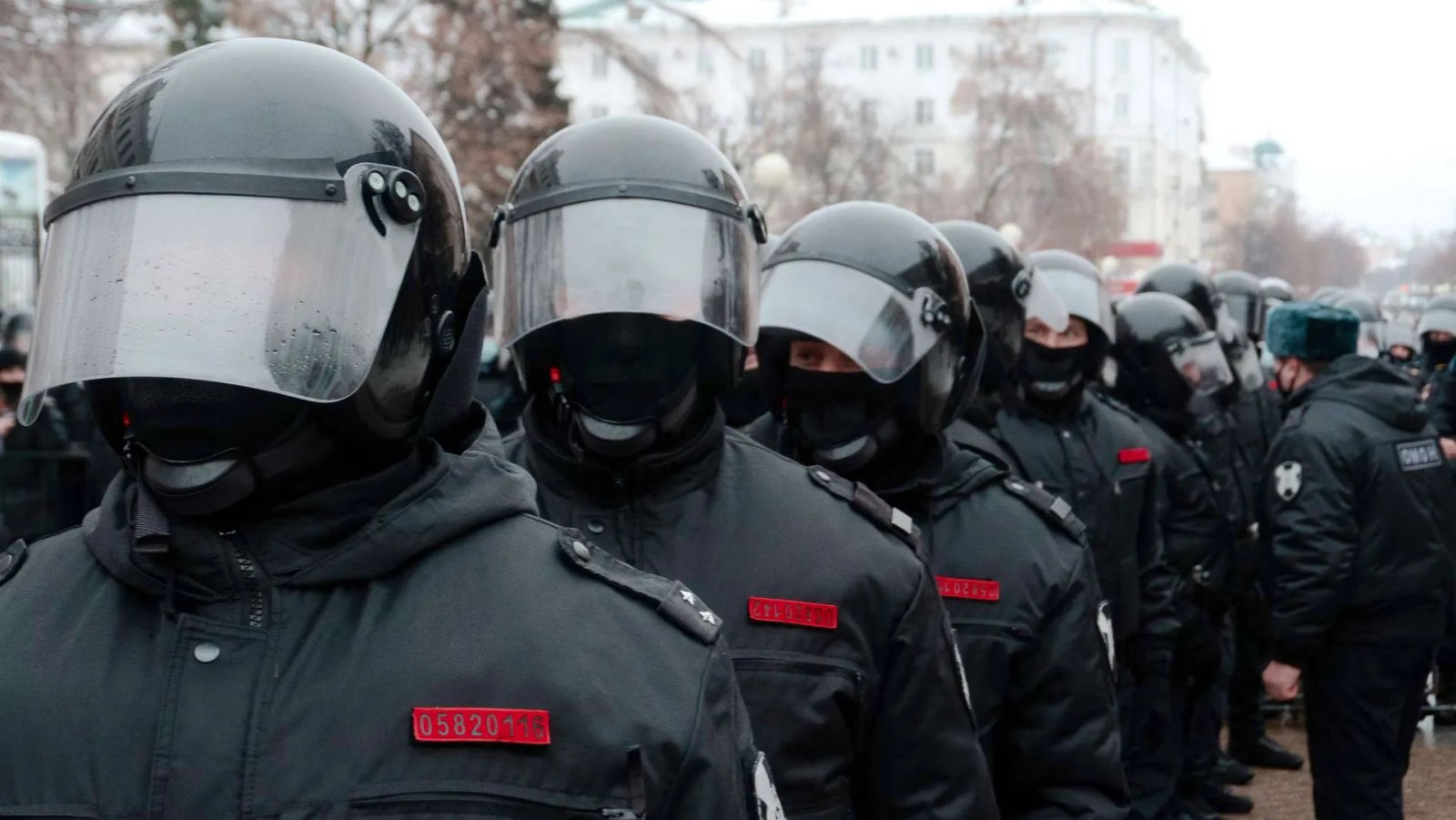
Authoritarianism mutates and spreads, legitimised by democratic fatigue and a longing for order in the face of perceived chaos.
Trend axes
- Party hardliners
- Ballot autocracy
- Post-democratic rule
- Ideological regression
Some figures
39.2%
Percentage of people in the world living under authoritarian regimes with hardly any political pluralism, according to the 2024 Democracy Index.
40%
Percentage of countries that suffered electoral violence in the 2024 elections worldwide. 20 recorded attacks on candidates and 14 on polling stations.
25%
Percentage of countries worldwide that have practised transnational repression to silence dissidents abroad, with China in the lead with 22% of these cases.
45
Number of countries worldwide undergoing autocratisation, while only 19 are opening up to new democratic systems.
Old power, new strategies
In a world marked by chains of crises (economic, health, climate and geopolitical), authoritarianism is resurging strongly, adapting to the times to legitimise itself before exhausted societies. It no longer appears only in uniforms and iron rhetoric, but wrapped in technocratic language, promises of efficiency and the narrative of restoring “order” in the face of supposedly uncontrollable chaos. Leaders on different continents take advantage of the wear on democratic institutions and public disaffection to concentrate power, curtail freedoms and weaken checks and balances, arguing that only a strong authority can guarantee stability.
The separation of powers is eroded, critical voices are silenced and mass surveillance is normalised, presenting the restriction of rights as a necessary sacrifice for the collective good.
The offensive is not limited to politics: it also reaches science, culture and critical thinking, fields that authoritarian regimes see as threats to their control of the narrative. Evidence and informed debate are replaced by propaganda, selective censorship and attacks on those who question the official line. This hostility towards independent knowledge seeks to neutralise any resistance that might mobilise citizens.
In this context, the line between weakened democracy and consolidated authoritarianism becomes blurred. What was once seen as an exceptional drift is now part of global political normality. The “authoritarian resurgence” is not just the return of old formulas of control, but their reinvention for a hyperconnected 21st century that is, paradoxically, ever more disconnected from the democratic values it claims to defend.
Cases
01 / 05More on the trend
References
- El Salvador approves changes to let Bukele extend presidency indefinitely
- Bukele reforma la Constitución de El Salvador para permitir la reelección indefinida y perpetuarse en el poder
- Persecución en Bielorrusia: el régimen de Lukashenko lanzó redadas y arrestos contra opositores en el exilio
- Trump proclama la "edad de oro" y la "revolución del sentido común" de EE.UU. al jurar como presidente por segunda vez
- Céline Dion, Spike Lee y David Simon, entre los 2.500 firmantes de una carta contra el “asalto autoritario” de Trump
- Daniel Ortega cambia la Constitución para imponer su dinastía familiar en Nicaragua
- Una denuncia de espionaje sacude al Gobierno de Milei en plena campaña por las elecciones legislativas
- Los indultos de Trump a casi 1.600 personas procesadas por el asalto al Capitolio
- China tops list of countries trying to silence exiled dissidents over past decade, study shows
- Las autocracias van en aumento en el mundo
- Europa advierte sobre el avance del totalitarismo y extremismo en el mundo
- Un mundo desordenado
Pages 66–75 of the report