Trend 08
Rights rollback
Rights rollback
Individual freedoms are quietly rolled back, wrapped in rhetoric that promises security while undermining what is fundamental.
Trend axes
- Freedom reversal
- Security overreach
- Invisible censorship
- Democratic undoing
Some figures
19th
Consecutive year in which freedom has kept declining worldwide, according to the 2025 Freedom in the World index.
1/4
Proportion of countries that have reported a setback in women’s rights, according to a UN Women report.
40
Number of years human rights have been set back, according to Amnesty International’s annual report.
200
Approximate number of words the Donald Trump administration has banned or limited in official sources, among them: diversity, racism, feminism…
The slow erosion of hard-won rights
The rollback of rights often advances without major visible ruptures, hidden behind rhetoric that appeals to security, stability or tradition. Under this appearance of normality, legal and social changes take hold that restrict freedoms won over decades of struggle. What is presented as “necessary” or “common sense” reform is, in reality, a democratic collapse that erodes the very foundations of equality and justice.
In this rollback, women’s rights are at the centre of the tensions. Autonomy over their bodies, access to sexual and reproductive health services and protection against gender-based violence are being questioned or limited. The structures that should guarantee their full participation in public life are weakening, while rigid, exclusionary narratives grow.
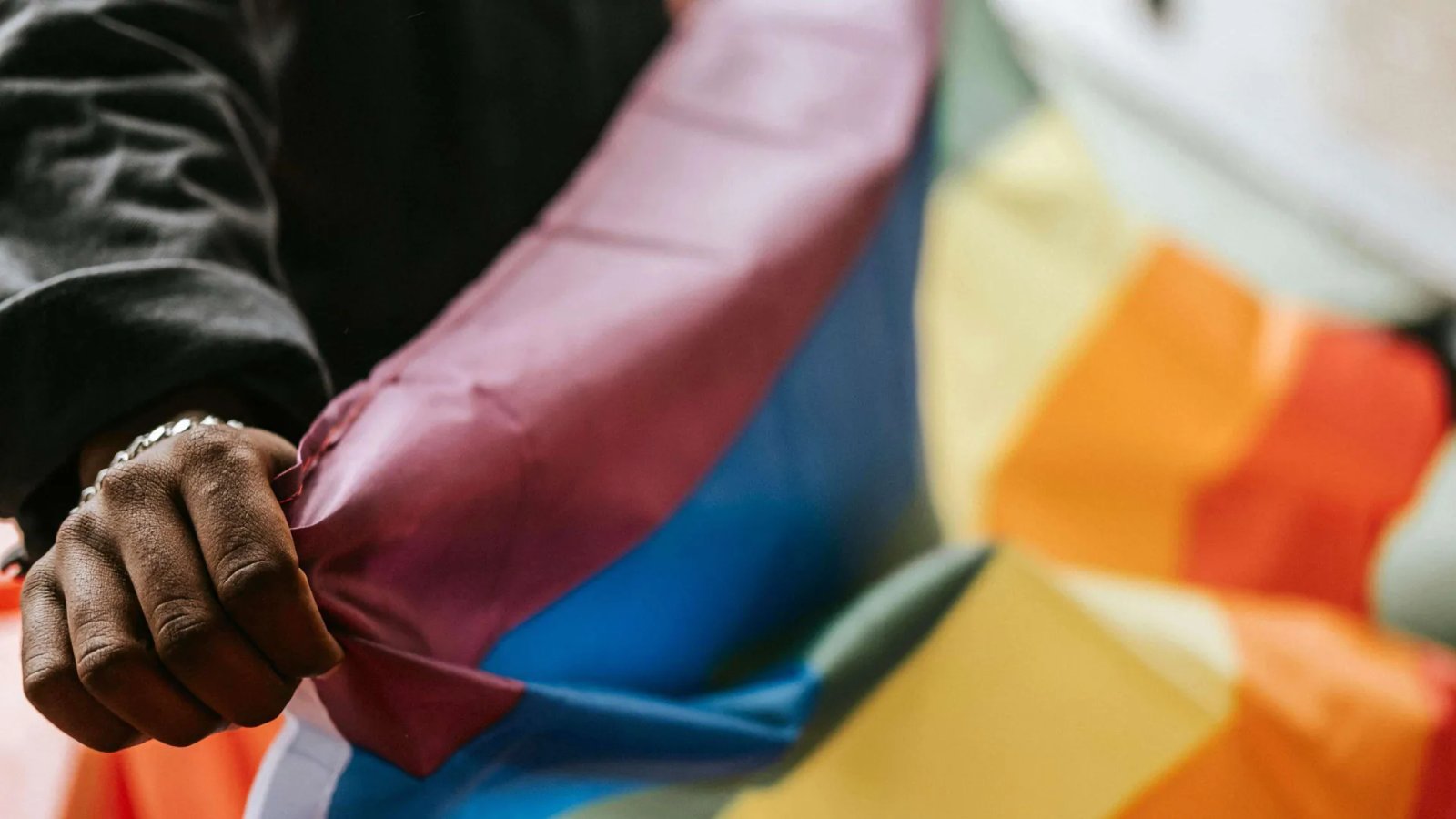
The LGTBIQ+ community is also facing increasing legislative and social pressure that seeks to cut back its visibility and rights. From limits on same-sex marriage to the censorship of educational content that promotes diversity, we are moving towards a scenario in which the mere existence of dissident identities is seen as a problem. This climate legitimises discrimination and makes it harder to build inclusive environments.
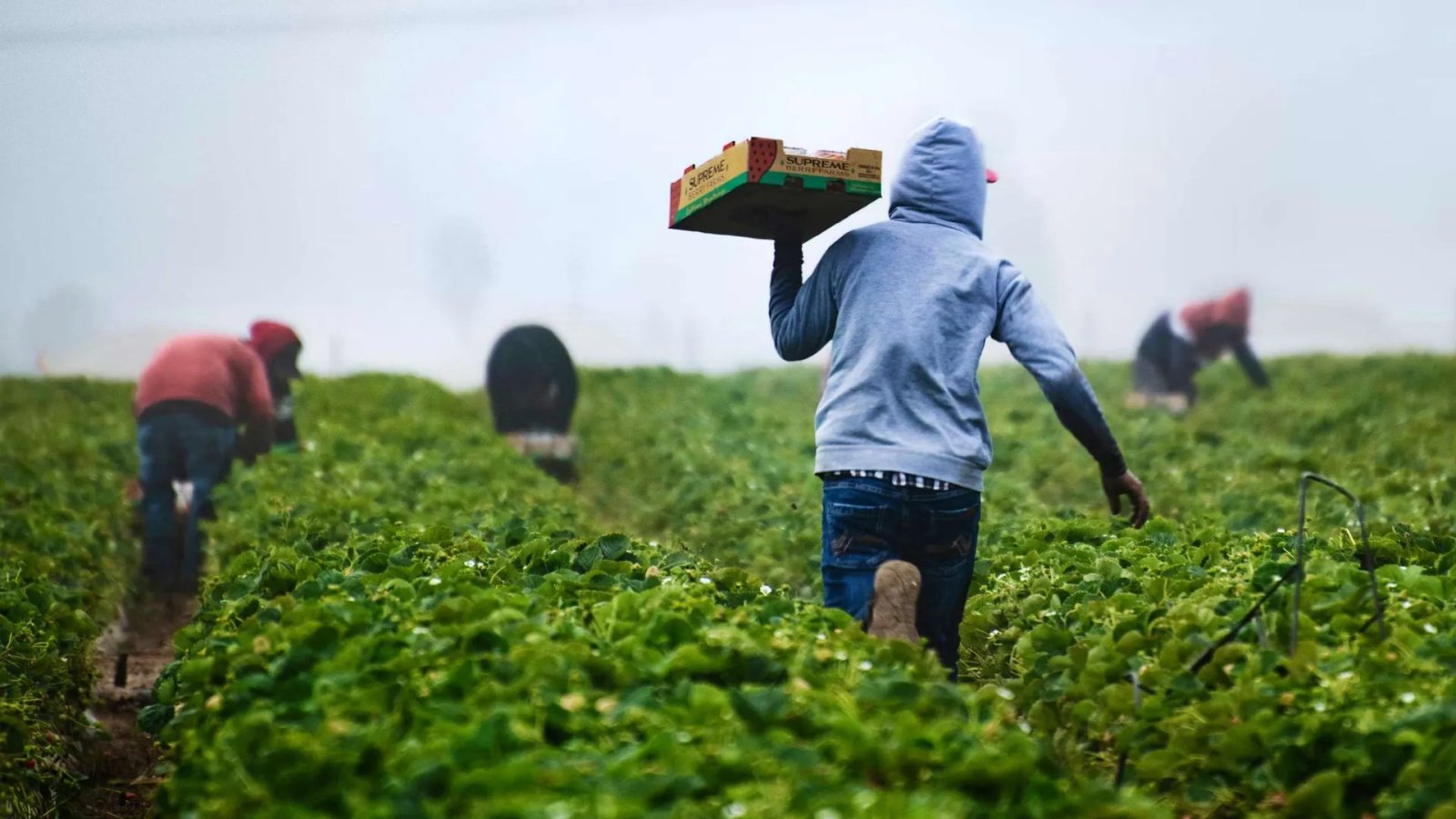
Cultural, religious and linguistic minorities are likewise pushed to the margins of the debate. The shrinking of their spaces of representation, the questioning of their rights and the erasure of their contributions feed a hierarchical model of citizenship. Defending the freedoms of these groups is not just a sectoral issue: it means protecting the democratic fabric against an erosion that threatens to turn equality into an empty promise.
Cases
01 / 05More on the trend
References
- La policía de Hungría prohíbe la marcha alternativa al Orgullo convocada en Budapest
- Hungría: La prohibición del Desfile del Orgullo, un ataque frontal contra las personas LGBTI que no debe convertirse en ley
- Afghanistan’s Taliban have ‘weaponized’ the judicial system to oppress women, UN expert says
- La indignación de la comunidad musulmana con la prohibición en Jumilla: “Es una noticia muy peligrosa”
- En deportaciones Trump cumplirá su promesa
- La sentencia de la Corte Suprema de Estados Unidos que permite al gobierno de Trump reanudar las deportaciones a terceros países es una afrenta a los derechos humanos
- Amnistía Internacional señala falta de transparencia y violación de derechos humanos en deportaciones a terceros países
- Las deportaciones de Trump de migrantes a Centroamérica se topan con trabas legales
- La masiva protesta de los maoríes por los intentos de reformar el tratado que consagró sus derechos con la creación de Nueva Zelanda
- Decenas de miles de maoríes protestan por sus derechos frente al Parlamento neozelandés
- Trump promete eliminar la ciudadanía por derecho de nacimiento. ¿En verdad puede hacerlo?
- Uno de cada cuatro países notifica un retroceso en los derechos de las mujeres en 2024
- Las guerras provocan el retroceso de los derechos humanos a niveles de hace 40 años, según Amnistía Internacional
- Trump administration censors nearly 200 terms from official platforms
- Sudán: radiografía de la peor crisis humanitaria del mundo
- Sudán, arrasado y olvidado
Pages 76–85 of the report