Trend 06
Prolonged conflict
Prolonged conflict
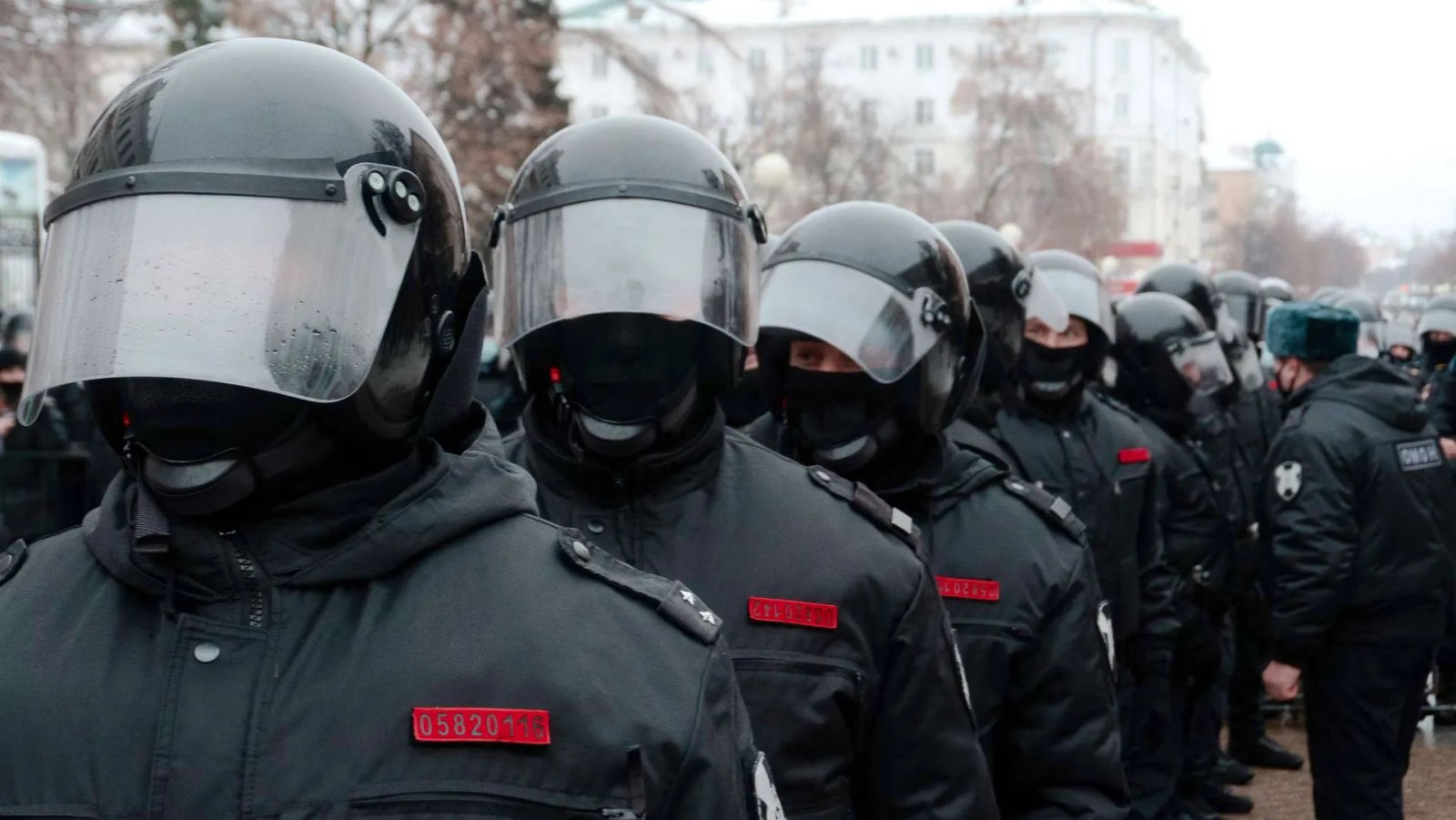
Wars become chronic, turning into prolonged mechanisms of control, destabilisation and fragmentation.
Trend axes
- Conflict economy
- Exhaustion politics
- Collateral normalcy
- Strategic stalemate
Some figures
1.4
Millions of soldiers killed and wounded in the war in Ukraine, according to a CSIC study, of whom 1,000,000 are Russian and 400,000 Ukrainian.
100
Average number of air and drone attacks on Ukraine since the start of the war, according to the armed conflict data project ACLED.
50
Metres a day at which the Russian army is estimated to be advancing on average in Ukrainian territory, less than 1% since January 2024.
176,000
Millions of dollars in costs from the damage caused by the war in Ukraine, from February 2022 to December 2024.
Living in a state of emergency
Wars become chronic, turning into prolonged mechanisms of control, destabilisation and fragmentation. When conflicts drag on, the boundaries between the military and the civilian blur, and their effects become embedded in a country’s social and economic structure. The toll is measured not only in fronts won or lost, but in the constant erosion of the human fabric and the silent transformation of everyday life.
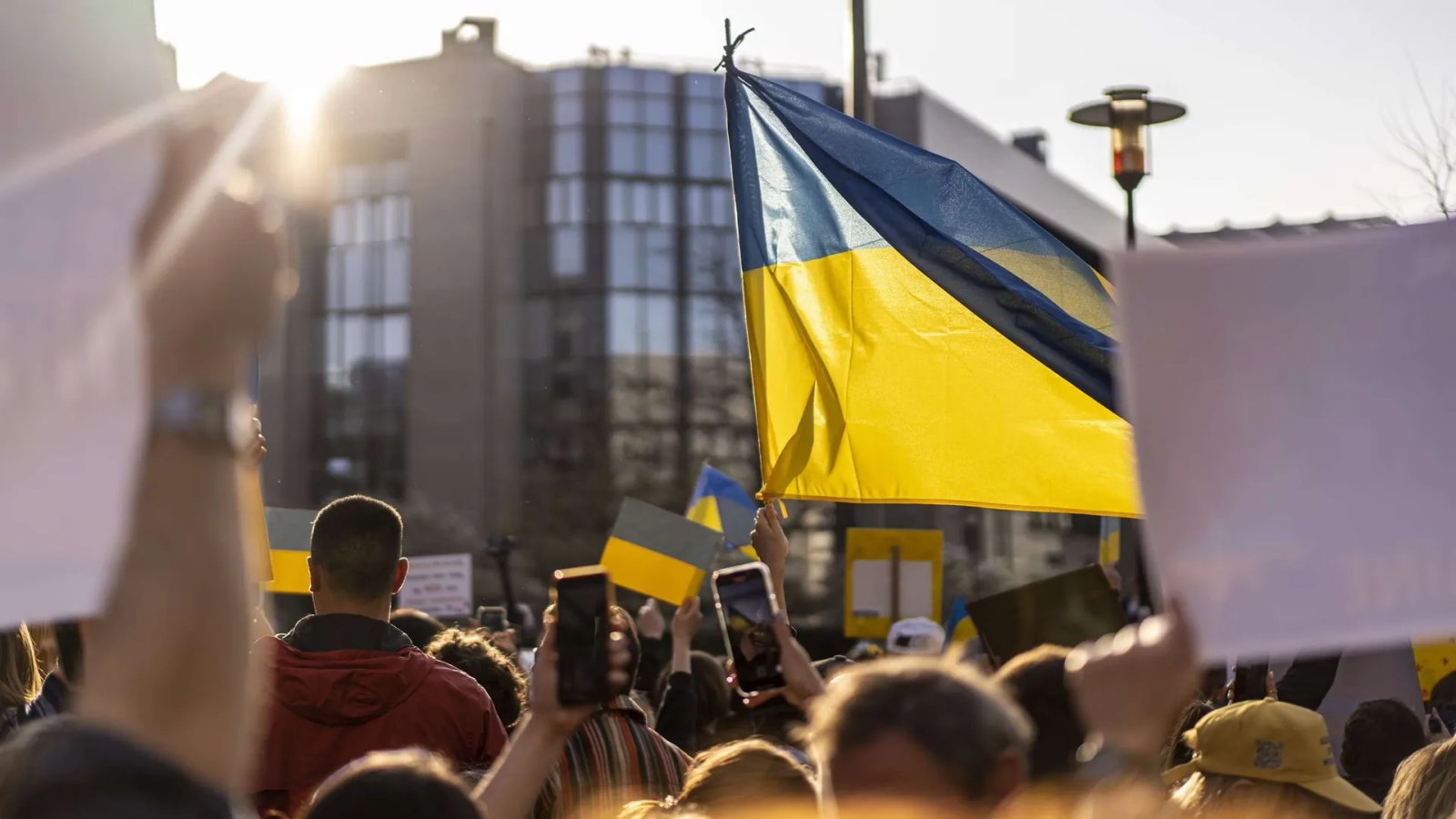
In Ukraine, more than three years after the start of the Russian invasion, the prolongation of the war has created a scenario in which emergency becomes routine. The population lives under a relentless pulse of threats, restrictions and forced adaptations, where the unpredictable becomes the norm.
The war is no longer felt only at the front; it seeps into every aspect of civilian life, disrupting routines, conditioning security and transforming the spaces where people live, work and meet. Prolonged conflicts of this kind multiply the fronts of vulnerability: from pressure on critical infrastructure and supply networks to the degradation of essential productive sectors.
The population, displaced or forced to hold out in ever more hostile environments, faces not only the uncertainty of an unknown ending, but also the accumulated social, economic and psychological after-effects. Becoming chronic turns war into a long-term mechanism of control, able to reshape territories, economies and communities.
Cases
01 / 05More on the trend
References
- Creíamos que las grandes cifras de soldados muertos en combate eran cosa del pasado. Hasta que llegó la guerra de Ucrania
- Ucrania, tres años en cifras: ataques masivos, guerra de drones y un frente dividido
- La reconstrucción de Ucrania y las posibles implicaciones para el escenario energético europeo
- Manual de instrucciones para sobrevivir a un bombardeo ruso en un piso de Kiev
- Casi 11 millones de vidas desplazadas: el devastador impacto humano de la guerra en Ucrania
- Farmers turned soldiers, fields full of mines and a rural exodus: how Russia is punishing Ukraine’s countryside
- Refugiados ucranianos en Europa: tres años y una vida en el limbo
- Rusia transforma su economía para adaptarla a una guerra larga pese a empobrecer a la población
- Rusia y Ucrania podrían optar por una guerra larga en lugar de un acuerdo rápido: funcionarios
- Russia strikes Ukraine gas hub ahead of winter in ‘cynical’ attack, Zelensky says
- En mapas: los territorios de Ucrania invadidos por Rusia que están en el centro de las negociaciones entre Trump y Putin
Pages 56–65 of the report