
Trend 05
Living crunch
Living crunch
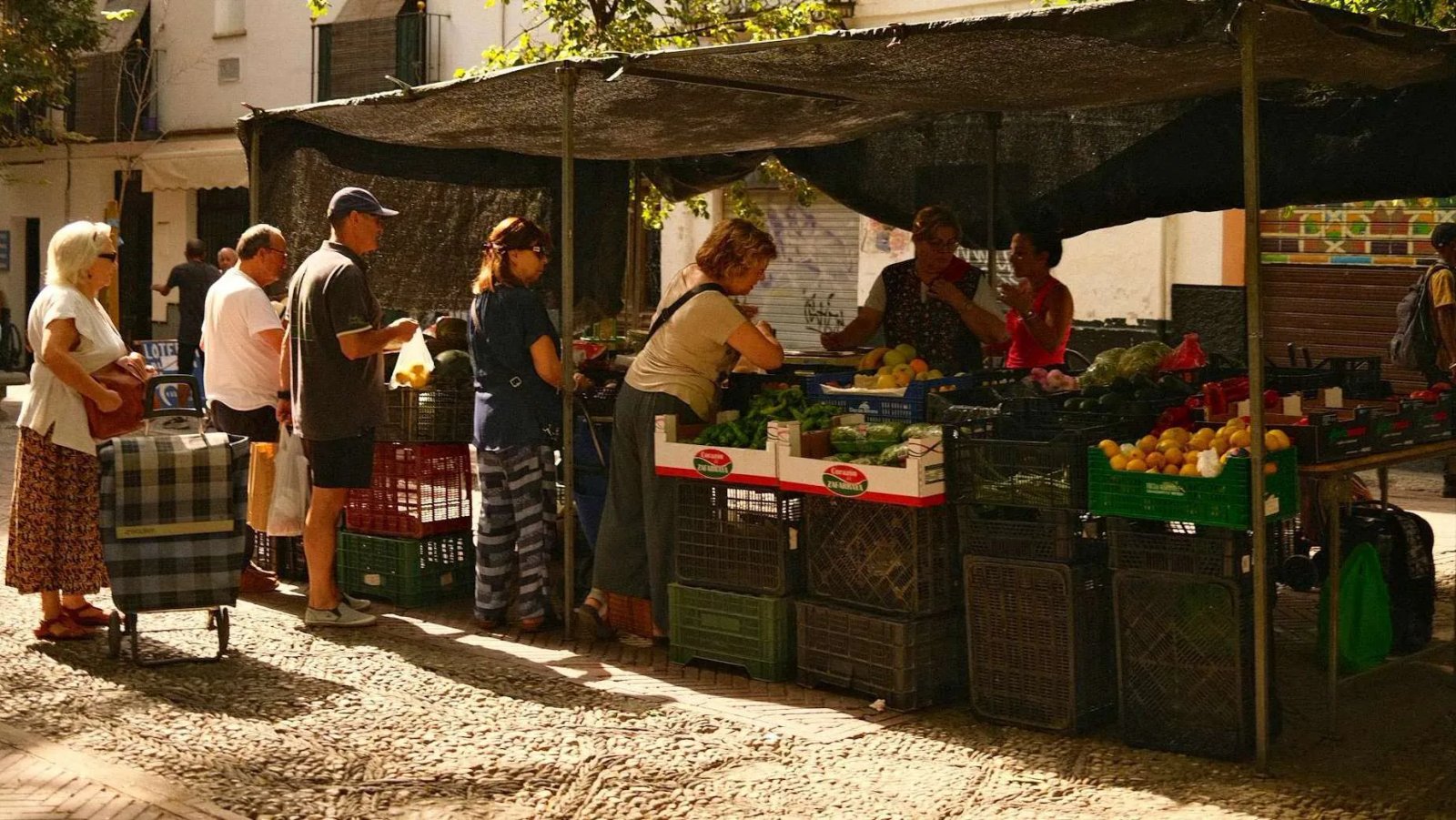
The cost of living keeps rising, straining household budgets and restricting access to essential goods and services.
Trend axes
- Cost surge
- Budget strain
- Affordability gap
- Survival economy
Some figures
200,000
Average net wealth in euros at the age of 45 of people born around 1960 in Spain.
50,000
Average net wealth in euros that people born between 1986 and 1995 in Spain will have at the age of 45.
20%
Percentage of purchasing power lost by young people in Spain in recent years, particularly the under-25s.
4.1
Year-on-year percentage increase in the wage cost of paying a worker in Spain in 2024.
The economy of suffocation
Households face persistent price rises that, far from responding to one-off circumstances, have settled in as a structural part of contemporary life. What used to be temporary price fluctuations or seasonal adjustments has become constant pressure that gradually erodes access to basic goods and services. In this context, global factors play a decisive role.
Geopolitical tensions, changes in supply chains, the imposition of tariffs by powers such as the United States and trade disputes between blocs introduce a volatility that conditions political and economic decisions. Uncertainty about how prices will evolve, added to the interdependence of markets and speculation on commodities and resources, amplifies instability and makes planning harder.
The impact is not evenly spread: the most vulnerable groups are the first to feel it, but the phenomenon reaches broad sections of the population. The gradual erosion of purchasing power forces people to redefine priorities, postpone personal investments and give up certain goods and services. Even those who keep some economic stability feel that the line between security and precariousness has become narrower and more fragile than ever.
The result is a framework in which household economies operate at the limit, trapped between incomes that grow slowly and essential costs that rise relentlessly. Public support networks are not enough to counter the scale of the problem, while private solutions (insurance, savings or credit) are only within reach of part of the population.
Cases
01 / 05More on the trend
References
- Los seguros médicos serán más caros en el 2025
- Why Spaniards can’t afford holidays in their own country
- Vacaciones cada vez más caras: los españoles gastan un 43% más que en 2021 para irse los mismos días
- Housing prices in spain set to rise 9% by 2026, says Singular Bank
- El precio de la vivienda sube en España más del doble que en la zona euro
- La cesta de la compra continúa subiendo y ya es un 35% más cara que hace tres años
- El coste de la crianza en 2024
- La energía presiona de nuevo los precios al alza
- Cada generación en España vive peor: los nacidos entre 1986 y 1995 son los más afectados con cinco veces menos riqueza
- Otra estadística empuja al alza el SMI de 2025: el coste salarial crece un 4%
- El coste de vida y el salario mínimo en 2025 ¿Se puede vivir con el SMI de 1.184 euros al mes en España?
Pages 46–55 of the report