Trend 08
Semantic search
Semantic search
The semantic web becomes widespread without our noticing
Semantics makes more sense
The promising web of universal access and infinite content has today become an unmanageable mass of information that is hard to make the most of: there is so much content that it is difficult to identify what is valuable. The semantic web tackles this problem by offering a way of finding information more easily and, above all, in a more personalised way: suited to the real interests of the person searching.
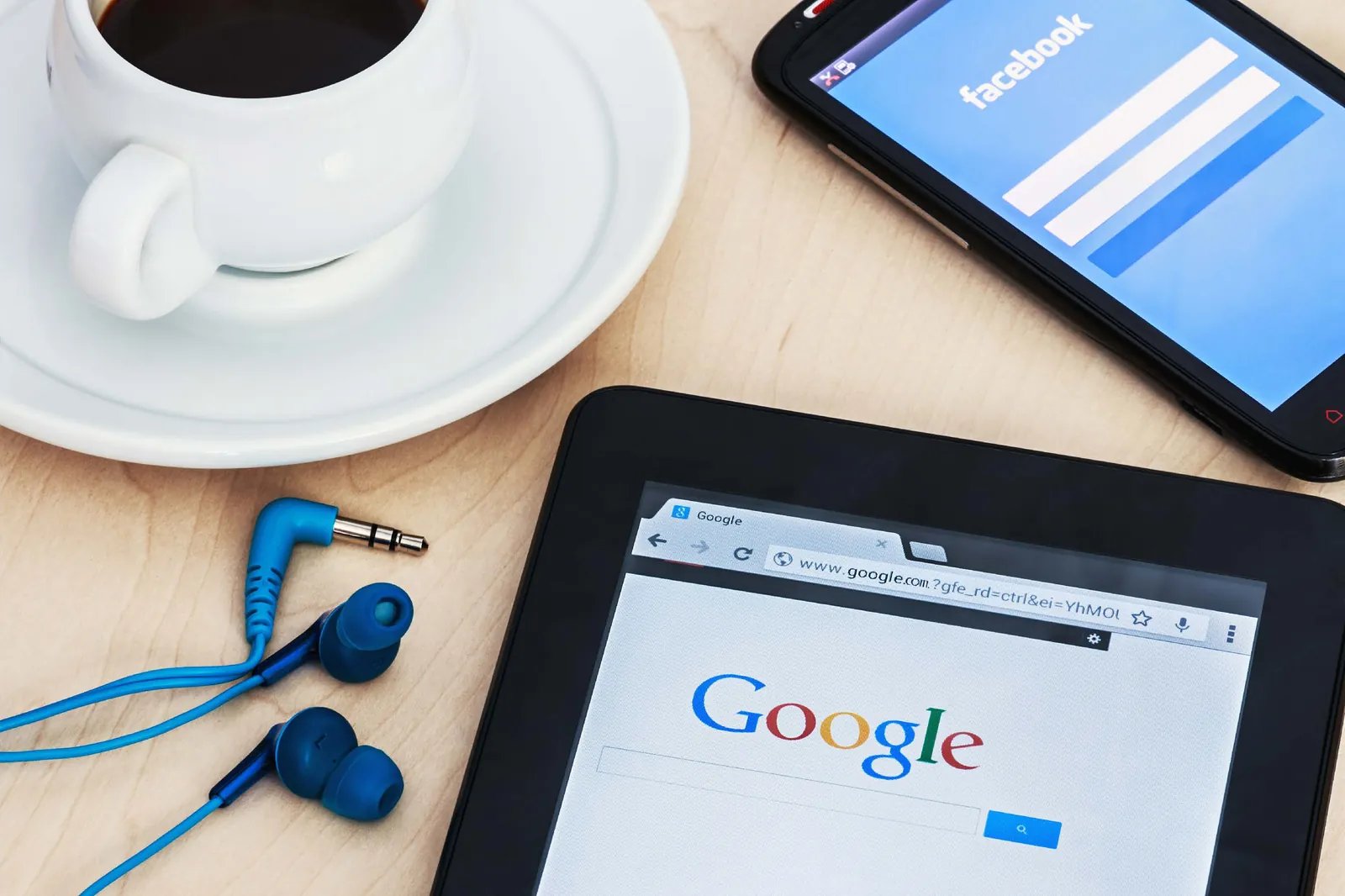
A type of web, a search system that Facebook and Google have been using for years and that is presented as the great solution for bringing order and meaning to the internet.
Cases
01 / 02Zorraquino spotlights
- 01
The main beneficiary of the semantic web is the end user, since it allows better searches and, in short, a better user experience, with all the benefits that also brings for web service providers.
- 02
Indirectly, it also means better knowledge of users and, therefore, better targeting and greater accuracy not only in searches but also in purchase recommendations.
- 03
With them, the internet giants could become indispensable: as the ones that respond best to consumers, connect with them best and keep them best.
