Trend 01
Humanisation
Humanisation
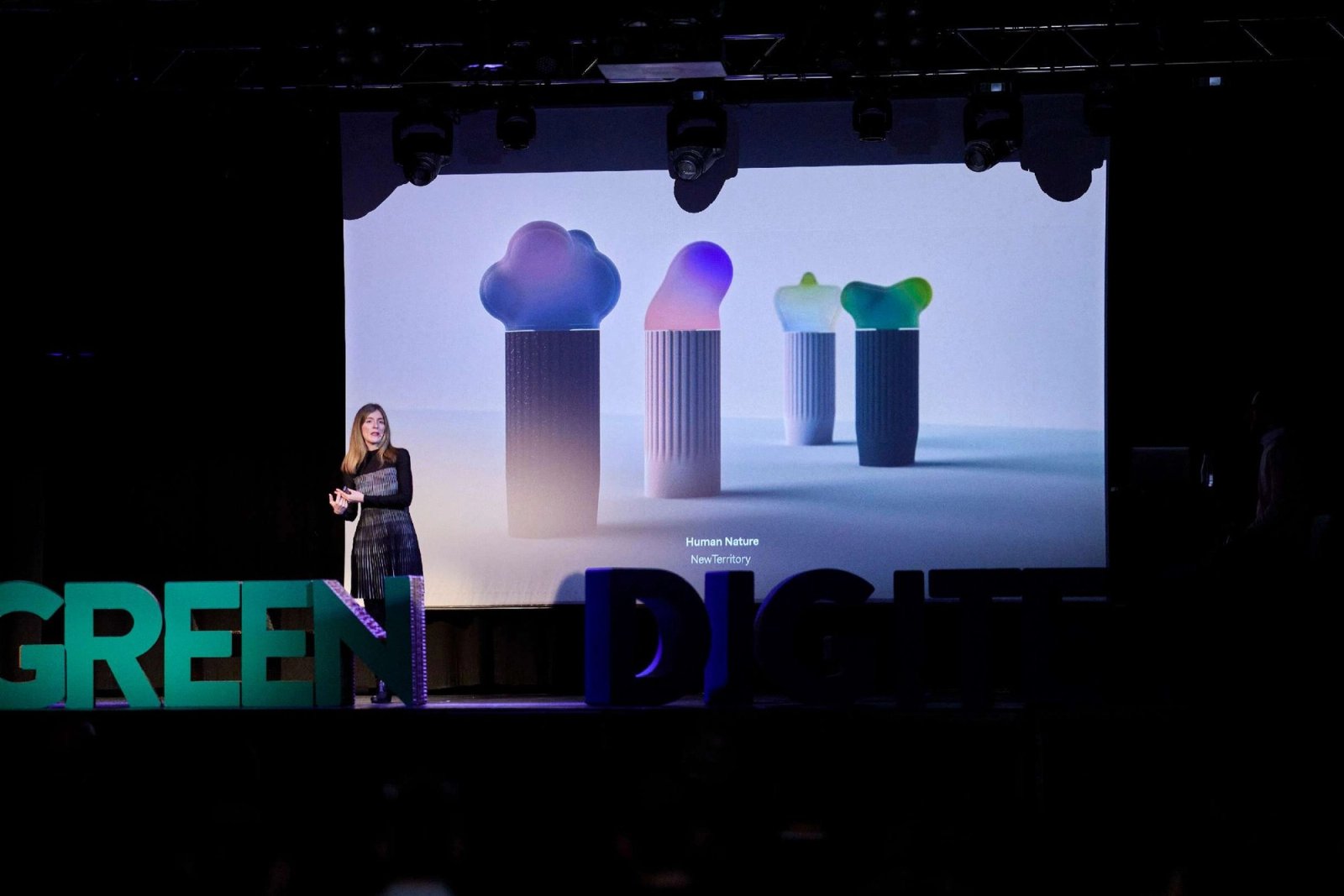
Humanised design in an increasingly automated world
Human technology
Despite technological developments, it is increasingly clear to us that the relationship users seek with a product is the same one they expect to have with another person.
They need humanity, a “face-to-face” relationship, human emotions such as naturalness and transparency, which make them feel secure and shape their relationship with the brand from the very first moment.
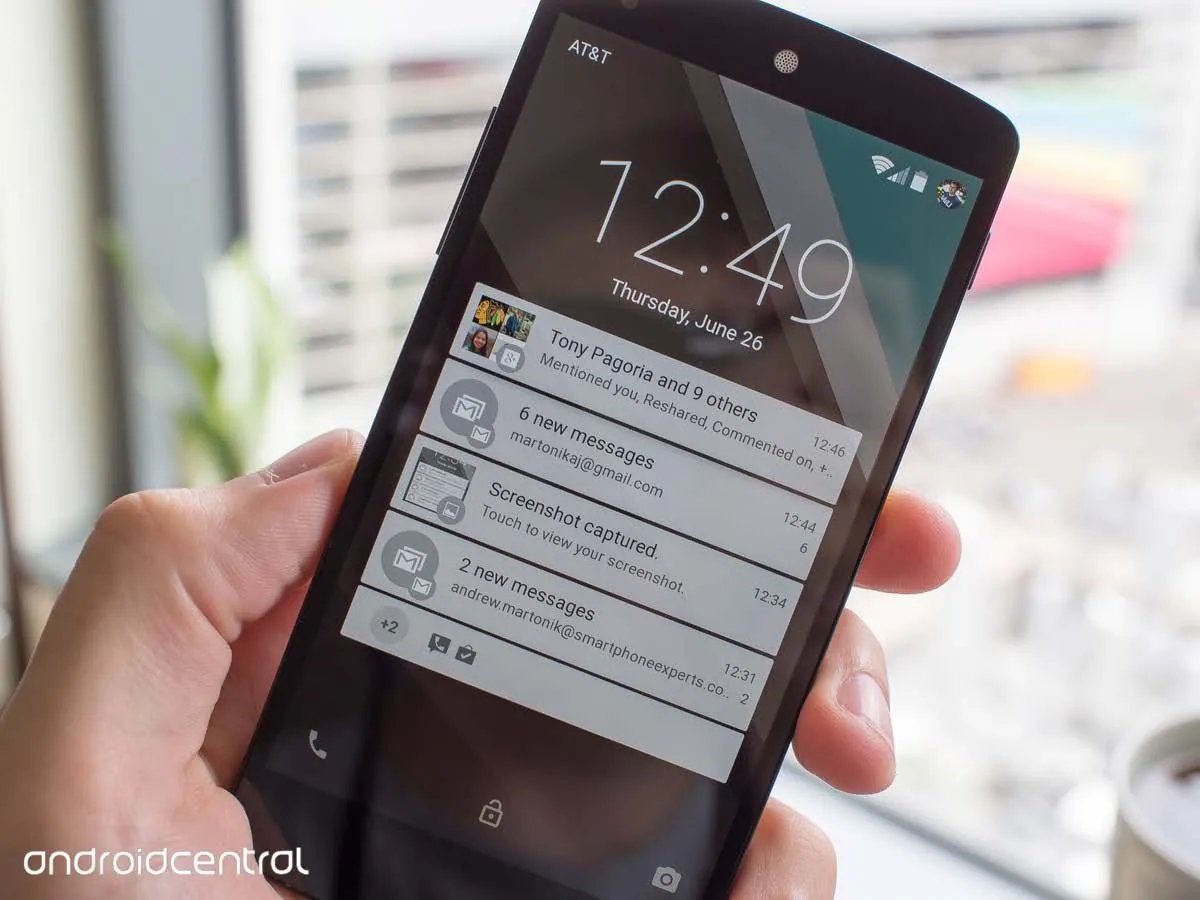
These humanising touches in a digital experience can take the form of small animations, micro-interactions or the use of artificial intelligence to offer almost human dialogues that meet specific needs.
A human, participatory approach that increases attention, connection and empathy, and improves user satisfaction.
Cases
01 / 05Zorraquino spotlights
- 01
Humanisation is still key in design. The goal: to banish any kind of “friction” caused by technology so that interactions are as close as possible to human ones.
- 02
In this sense, psychology plays a key role in UX design: the designer is not just a technician, but someone who understands users and offers them much more human experiences.
- 03
Companies' big investment in AI to improve customer service is still fuelling debate about the future of humans in an automated world. Given how quickly we have adapted to AI over the last year… where are the limits?
More on the trend
References
- 10 UX Design Predictions for 2018
- UX Design Trends for 2017: Dictated by the Future
- 18 Designers Predict UI/UX Trends for 2018
- Facebook Messenger gets reactions for individual messages and @ notifications
- Apple presenta la app Animoji para personalizar emojis con tu cara
- El robot Pepper ficha por Lopesan
- Meet the WoeBot, the chatbot therapist who cares how you feel (for $39)
- Most Advanced Chatbot Apps Powered by Artificial Intellect
- Lufthansa Intros Consumers To Crew Via Snapchat
- How we designed Oscar 2.0
Pages 4–24 of the report
